Heat Safety for Kids: Signs, Routines & Quick Response
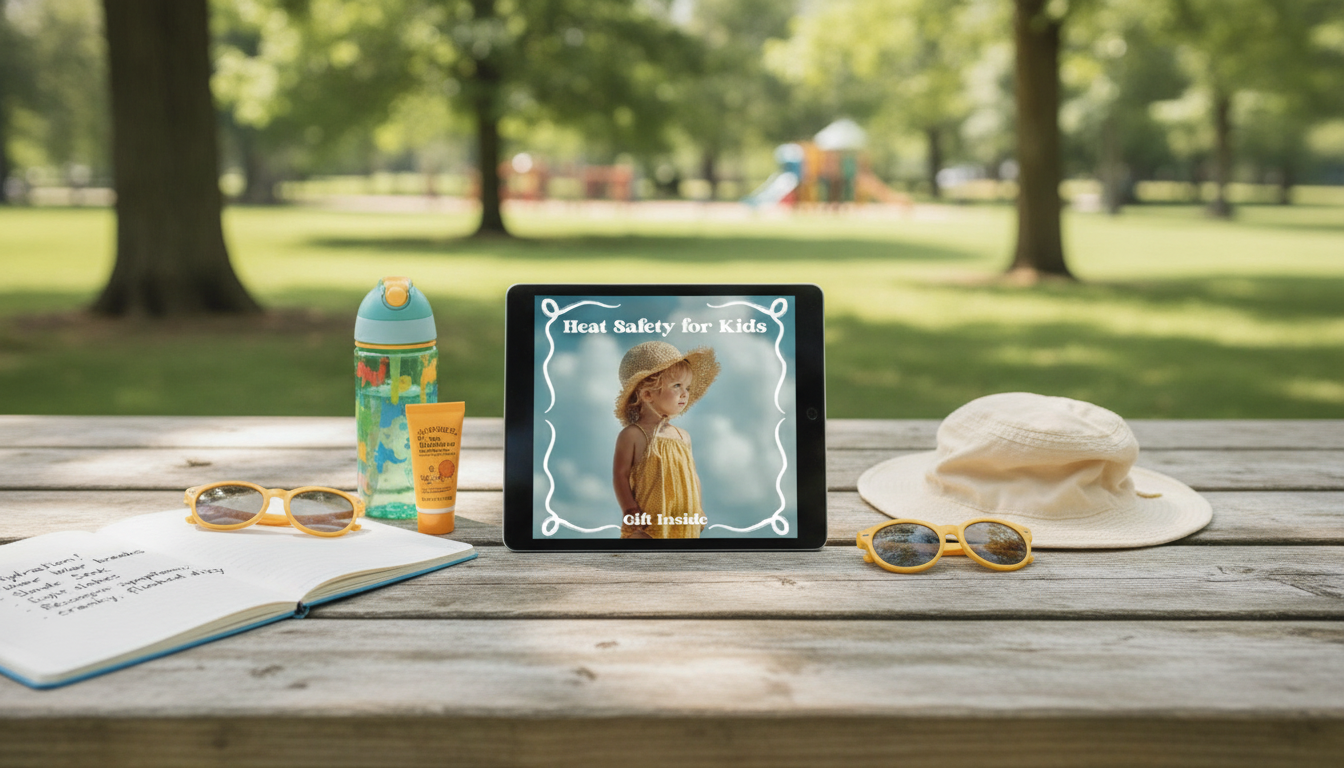
Hot weather can overwhelm children faster than adults, especially during outdoor play, sports, field trips, and summer travel. Clear routines—paired with quick recognition of early warning signs—can prevent most heat-related emergencies. Use the steps below to set consistent habits at home, in childcare settings, and at school, along with a simple response plan when a child starts to feel unwell.
Why kids overheat faster
Children aren’t just “small adults” in the heat. During active play, they can generate a lot of body heat and may not notice (or report) symptoms early—especially when they’re excited, competing, or trying to keep up with peers. Smaller bodies also warm up faster, and dehydration can escalate quickly after a short stretch of running, climbing, or practice drills.
Heat risk rises even more with high humidity, direct sun, heavy clothing or sports gear, recent illness (like fever, diarrhea, or vomiting), certain medications, and limited access to water or shade. Real-world hotspots include camps, playgrounds, pools, bus lines, and car rides—especially when supervision is stretched thin and water breaks are inconsistent.
Early warning signs to watch for
Mild-to-moderate heat illness can look like everyday “kid stuff” at first: fatigue, dizziness, headache, nausea, muscle cramps, irritability, or unusual quietness. Dehydration often shows up as a dry mouth, dark urine, fewer bathroom breaks, or (in younger kids) crying without tears.
Act fast if symptoms worsen despite rest and fluids. Red flags include confusion, fainting, severe headache, vomiting that won’t stop, hot/flushed skin, or a child who suddenly can’t keep up with normal conversation or directions. For infants and toddlers, watch for fussiness, lethargy, warm skin, fewer wet diapers, poor feeding, or rapid breathing.
Heat illness quick guide: signs and immediate actions
| Situation | Common signs | What to do now | When to get medical help |
|---|---|---|---|
| Heat cramps / early strain | Muscle cramps, heavy sweating, thirst | Stop activity, move to shade/AC, sip water, gentle stretching | If cramps last > 1 hour or child has heart/kidney conditions |
| Heat exhaustion | Dizziness, headache, nausea, weakness, cool/clammy skin, fast pulse | Cool the child (shade/AC), loosen clothing, cool cloths, small sips of water | If symptoms persist > 30 minutes, vomiting, or child cannot drink |
| Heat stroke (emergency) | Confusion, fainting, very hot skin, seizures, severe headache | Call emergency services, begin rapid cooling (cool water, wet towels, fan), do not force fluids if not alert | Always—this is an emergency |
Daily prevention routines that work
Reliable heat safety starts with predictable structure. Plan outdoor time for cooler hours (morning or later evening when possible), and schedule breaks before kids ask for them—about every 15–20 minutes during active play. A simple rule that works across ages is: shade, sips, and rest.
- Shade: Make “cool-down zones” non-negotiable. If there’s no natural shade, bring pop-up shade or use indoor hallways/gyms for rotation.
- Sips: Offer water early and often. Waiting for thirst is a common setup for dehydration in younger children.
- Rest: Build in calm activities (story time, crafts, stretching) that lower heart rate and heat production.
Dress for heat with lightweight, light-colored, breathable fabrics. Add a wide-brim hat and sunglasses, and apply sunscreen as directed (reapplying matters during swim days). Before practices, recess, or field trips, do a quick heat check by reviewing temperature plus humidity (the “feels like” number is often more useful than temperature alone). NOAA’s heat index guidance is a practical reference for planning: https://www.weather.gov/safety/heat-index.
Hydration made simple (home, school, sports)
For additional pediatric guidance, the American Academy of Pediatrics offers practical heat-illness prevention tips: https://www.healthychildren.org/English/safety-prevention/at-play/Pages/Preventing-Heat-Illness.aspx.
Car and travel safety in hot weather
Outdoor play and school-day adjustments
What to do if a child feels unwell in the heat
Monitor closely. If there’s confusion, fainting, seizure, very hot skin, or symptoms that rapidly worsen, treat it as an emergency and seek urgent medical help right away. The CDC’s heat guidance for children is a helpful reference for caregivers and program leaders: https://www.cdc.gov/disasters/extremeheat/heatchildren.html.
A ready-to-use resource for families and classrooms
When multiple adults share supervision, consistency is the hardest part—especially during busy camp drop-offs, recess, or tournament weekends. The Heat Safety for Kids – Essential Ebook Guide (digital download) is designed to make heat routines easy to teach, repeat, and post where decisions happen.
For outings, it also helps to keep supplies in one grab-and-go kit. A roomy daypack like the Women’s Soft PU Leather Rivet Backpack Large Fashion Daypack can hold spare water, cooling cloths, sunscreen, and a small first-aid pouch so essentials aren’t split across multiple bags.
On extreme-heat days that push activities indoors, having calm, structured “reset” moments can reduce the urge to sprint back outside too soon. The Shifting Seasons: Inspiring Quotes That Spark Life-Changing Moments (digital download) can be used for short classroom reflection prompts while kids cool down and rehydrate.













Leave a comment