10-Pack Microfiber Dishcloths: Ultra-Soft, Absorbent
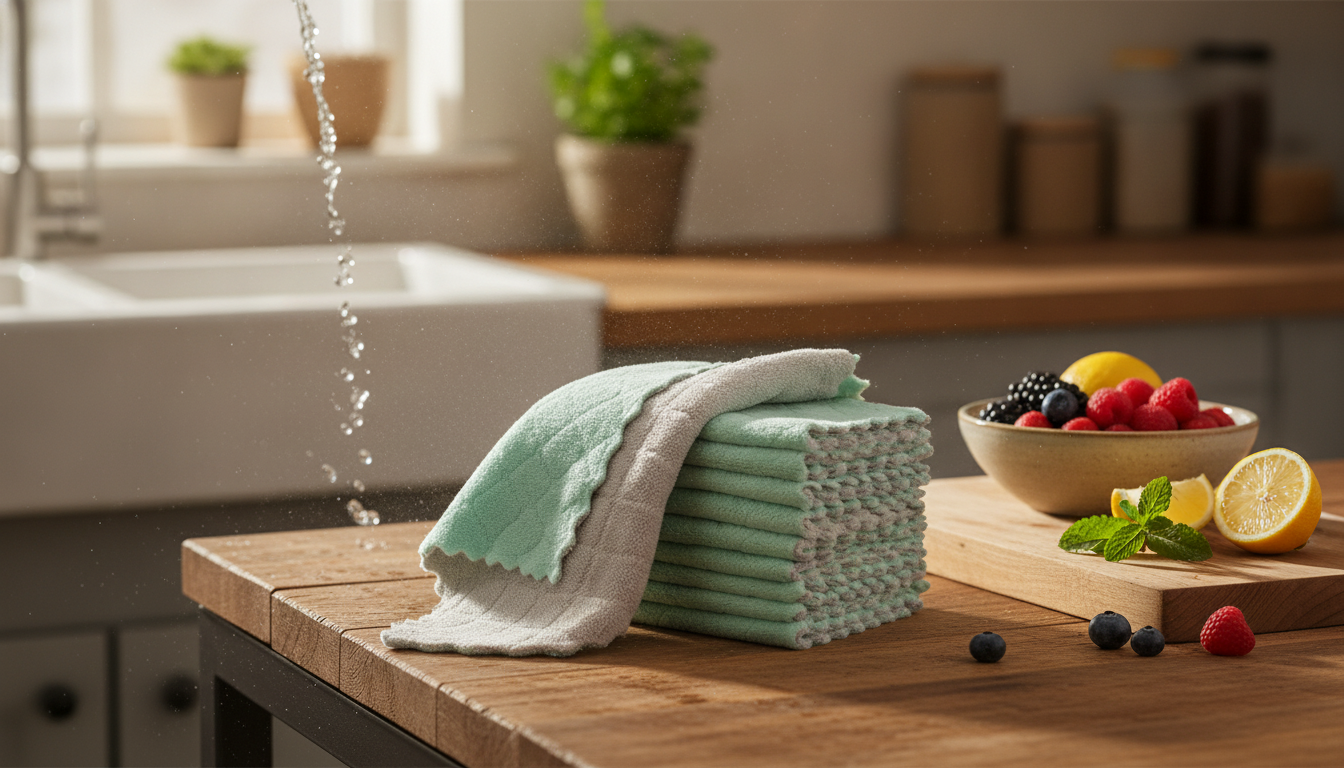
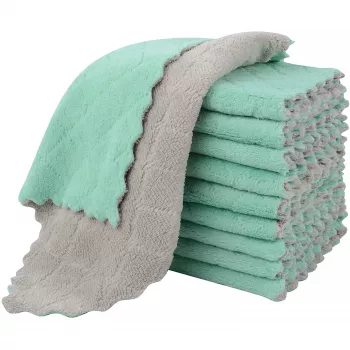
Ultra-Soft Microfiber Kitchen Dishcloths, Highly Absorbent 10-Pack: Everyday Cleaning Made Easier
A dependable set of dishcloths can reduce paper towel use, speed up wipe-downs, and keep counters, dishes, and appliances looking clean. Ultra-soft microfiber cloths are designed to pick up moisture and residue efficiently, and a 10-pack helps rotate fresh cloths through the day without constantly doing laundry.
What Makes Microfiber Dishcloths Different
Microfiber is made from very fine synthetic fibers that create a high surface area, which helps the cloth grab onto water, oils, and tiny bits of debris rather than pushing them around. That structure is why microfiber tends to feel like it “locks in” moisture when you blot a spill or wipe a damp counter.
The texture is also a practical advantage in busy kitchens: used properly (clean cloth, light pressure), microfiber is generally gentle on common surfaces like sealed countertops, glass, and many appliance finishes. As with any cloth, trapped grit is the real culprit behind most scratches—so a quick shake-out or rinse before wiping goes a long way.
Finally, a multi-cloth pack makes it easier to separate tasks—dishes versus counters versus appliances—so yesterday’s stovetop splatter doesn’t end up smeared across the fridge handle. That “zone” approach feels small, but it’s one of the simplest ways to keep cleaning predictable and more hygienic.
Where a 10-Pack Fits into a Busy Kitchen Routine
A 10-pack shines when your day includes multiple mini cleanups. Instead of overusing one cloth until it smells off or leaves streaks, you can swap early and often—especially around food prep.
- Morning: Handle quick counter wipe-downs, coffee drips, and toaster crumbs without grabbing disposable towels.
- Midday: Wash a couple of items by hand, pat-dry produce, or wipe the sink after rinsing.
- Evening: Do the final pass—table, high chair tray, cabinet fronts, and appliance handles—using a fresh cloth per zone if needed.
- Entertaining: Stage several cloths (bar area, dining table, “spill responder”) and toss used ones straight into the wash bin.
Absorbency and Spill Control Tips
Microfiber is naturally suited for quick spill pickup, but technique matters. A few small habits can make each cloth feel more effective—especially when you’re moving fast.
- Fold into quarters: You get multiple clean faces. Rotate to a dry side as you wipe so you’re absorbing, not redistributing.
- Sticky mess strategy: Start with a damp cloth to loosen residue, then follow with a drier cloth to finish and reduce streaking.
- Raw-meat prep separation: Use dedicated cloths for raw-meat zones and wash them promptly after use to help reduce cross-contamination risk. For broader kitchen hygiene guidance, see CDC food safety recommendations and the USDA’s kitchen cleaning guidance.
Best Uses Around the Kitchen (and a Few Outside It)
A good microfiber dishcloth is a true generalist. Once you set a simple “which cloth goes where” routine, you’ll find plenty of places it earns a spot in the rotation.
- Dishes and glassware: Gentle wiping and drying, especially helpful for water spots after rinsing.
- Countertops and tables: Daily crumbs, splashes, and quick wipe-downs between meals.
- Stainless steel and appliances: Lift fingerprints and smudges, then finish with a dry pass for a clearer look.
- Sinks and faucets: A quick wipe after use helps reduce water marks and buildup.
- Beyond the kitchen: Bathroom vanity wipe-downs, dusting shelves, and quick cleanup in the car (assign a dedicated stack if possible). If you keep microfiber in the bathroom, pairing it with easy-to-maintain fixtures can streamline routines, such as the Smart Automatic Flush Porcelain Bidet Toilet Bowl with Heated Seat.
Care and Washing: Keeping Microfiber Soft and Effective
For disinfecting needs, follow the directions for any disinfectant you choose and verify it’s appropriate for the surface; the EPA’s disinfectant guidance is a helpful reference point.
Quick Reference: Task-to-Cloth System
Simple Dishcloth Rotation Plan
| Task Zone | Recommended Cloth State | Swap Frequency | Care Note |
|---|---|---|---|
| Dishes & glassware | Clean, damp then dry finish | Daily (or sooner if soiled) | Wash promptly after food residue |
| Counters & table | Lightly damp | 1–2 times per day | Use a fresh side for final pass |
| Stove & backsplash | Damp for loosening, then dry | After cooking | Pre-rinse if greasy before washer |
| Sink & faucet | Dry finishing cloth | After heavy use | Hang to dry fully between uses |
What to Look For When Stocking Up
Product Options Available Now
If you want a straightforward setup for daily wiping, drying, and quick cleanup, the Ultra-Soft Microfiber Kitchen Dishcloths, Highly Absorbent 10-Pack supports an easy rotation—use, hang to dry, then wash in batches—so fresh cloths are always within reach.
For keeping “on-the-go” messes from turning into bigger cleanups, a dedicated bag can help you store spare cloths or cleaning essentials without mixing them into food items; the Women’s Soft PU Leather Rivet Backpack Large Fashion Daypack can serve as a convenient carry option for travel days, carpools, or weekend events.
FAQ
Can microfiber dishcloths be used on stainless steel without scratching?
Microfiber is generally gentle on stainless steel, especially with light pressure and a clean cloth. Test on an inconspicuous spot first, and finish with a dry cloth to reduce streaks. Any trapped grit can scratch, so rinse or shake out the cloth before wiping.
Why shouldn’t fabric softener be used with microfiber cloths?
Fabric softener and dryer sheets can leave a residue that coats the fibers, reducing absorbency and cleaning performance. Use a mild detergent and dry on low heat (or air-dry) to help keep the microfiber working well.
How often should kitchen dishcloths be washed?
Wash dishcloths after a day of regular use, and immediately after wiping raw-meat juices or strong odors. If you cook heavily, swap and wash more often. Hanging cloths to dry between uses helps reduce mildew.














Leave a comment