Tangle-Free Jewelry Storage: A Digital-First System
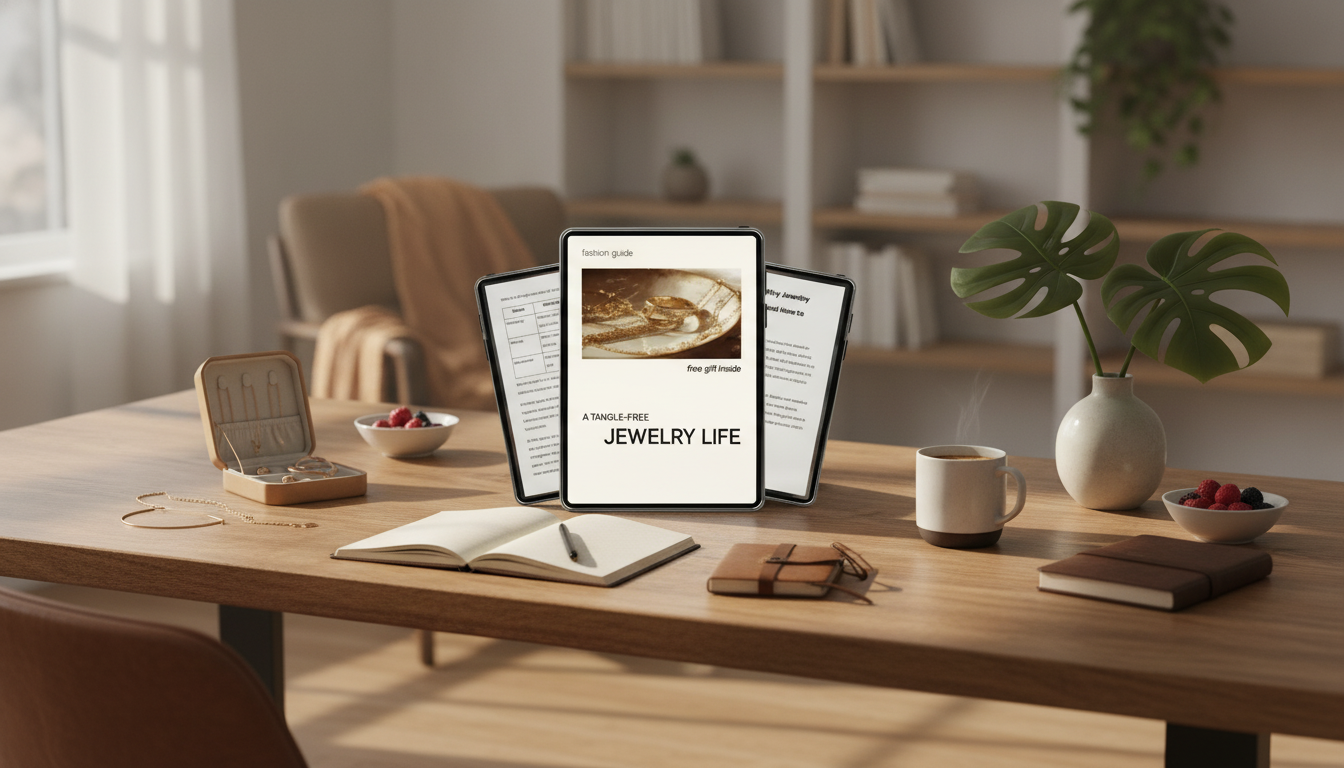
A Tangle-Free Jewelry Life Starts with a System That Matches Real Life
Necklaces knotted together, single earrings without a match, and pieces that never get worn are usually signs of a storage setup that doesn’t match real life. A digital-first organization system makes it easier to sort what you have, choose the right storage for each piece, and keep everything wearable—without turning your closet into a craft project.
The goal isn’t perfection. It’s repeatability: jewelry that’s easy to choose, safe to store, and simple to put back—so it stays tangle-free tomorrow, not just today.
What “tangle-free” actually means (and why most setups fail)
Tangle-free isn’t a one-time organizing event; it’s a routine you can repeat: separate, secure, and easy to return after wearing. When jewelry storage fails, it’s usually because pieces share space and create friction—chains stacked in a drawer, open trays where items slide together, or compartments that get overfilled.
A good setup balances two needs that often compete: visibility (so items get worn) and protection (so items stay intact). If everything is hidden away, you forget what you own. If everything is piled out in the open, you get knots, scratches, and missing backs.
Digital organization reduces decision fatigue in the background. When you can quickly confirm what you own, what’s in repair, and where it lives, there are fewer “where did I put that?” moments—and fewer last-minute rummaging sessions that cause tangles in the first place.
The 15-minute jewelry reset: quick win before the full sort
If your jewelry is currently scattered across rooms and bags, do a fast reset before you try to “organize.” This creates instant calm and prevents new damage while you decide on a long-term system.
Step 1: Gather everything into one spot
Check the nightstand, bathroom counter, handbags, coat pockets, travel pouches, and any “temporary” dishes. Put it all in one pile so you can see the real volume.
Step 2: Do a quick safety check
Look for damaged clasps, sharp prongs, broken chains, or bent posts. Set these aside immediately so they don’t snag other pieces or get worn and lost.
Step 3: Immediate de-tangle triage
Separate chains one-by-one. As you free each necklace, clasp it to itself before you set it down. That single habit prevents re-knotting while you continue sorting.
Step 4: Make three temporary piles
Create three groups: Daily Wear, Occasion, and Sentimental/Archive. Don’t overthink it—this is about momentum. You’ll refine later.
Build a digital inventory that matches how jewelry is worn
A digital inventory works best when it mirrors getting dressed. Keep it simple: one photo per piece, a short name you’ll recognize, and details that help you wear and store it properly.
- Basic catalog fields: photo, name, type (necklace/bracelet/earrings/rings), metal, and notes (length, clasp style, stones, sensitivity/irritation notes).
- Wearability tags: “work,” “weekend,” “formal,” “minimal,” “statement,” “gift,” “heirloom.” Tags make it faster to pick pieces for a specific day.
- Track sets and pairs: link studs to their backs, note matching necklace/earring sets, and record any special components (converter clasps, extenders).
- Add a “needs action” status: repair, clean, resize, missing mate, or donate. This prevents “problem pieces” from cycling back into the main storage.
For care guidance by material, refer to authoritative resources like GIA’s jewelry care tips and the FTC guides for jewelry and precious metals.
A tangle-free storage system by jewelry type
Different jewelry types tangle and snag for different reasons, so “one box for everything” usually backfires. Use storage methods that prevent friction and keep pieces separated.
Tangle-Free Storage Cheat Sheet
| Jewelry type | Best tangle-free method | Good storage option | How often to review |
|---|---|---|---|
| Necklaces (chains) | Clasp each chain; store separately | Hooks, individual pouches, divided tray | Weekly |
| Necklaces (pendants) | Keep pendant centered; prevent chain twist | Soft pouch or compartment with a divider | Weekly |
| Stud earrings | Keep pairs together; backs attached | Small lidded compartments or labeled slots | Monthly |
| Hoops/dangles | Separate by pair; prevent snagging | Vertical organizer or divided tray | Monthly |
| Rings | Store upright; avoid rubbing | Ring bar/slots, small cups | Monthly |
| Bracelets | Separate chains; stack rigid pieces carefully | Divided tray or upright bangle holder | Monthly |
The organization checklist: a practical flow that prevents backsliding
Digital guide + checklist download: how the system fits into everyday life
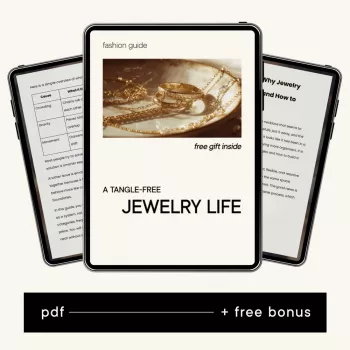
If you want a ready-made structure to follow, A Tangle-Free Jewelry Life digital storage guide and checklist lays out the steps for inventory, sorting decisions, and a practical storage plan you can maintain.
Travel and tiny-space strategies (without losing pieces)
For organized carry-on days and hands-free packing, the Women’s soft PU leather rivet backpack for organized travel can help keep pouches, small cases, and essentials separated so jewelry doesn’t end up loose at the bottom of a tote.
FAQ
How do necklaces stop tangling in storage?
Store each chain separately and clasp it before putting it away. Hooks, individual pouches, and divided compartments work best, as long as multiple chains aren’t stacked together in the same open space.
What’s the fastest way to organize jewelry without buying new containers?
Do a quick sort into daily wear, occasion, and archive, then repurpose small boxes or cups as temporary compartments inside one drawer or tray. Pair that with a simple digital list so you always know what belongs where.
Should costume jewelry be stored differently than fine jewelry?
Yes—separate them to reduce scratching and tarnish transfer. Use softer pouches for delicate pieces, and keep sharp or textured costume items away from chains so they don’t snag or kink.













Leave a comment