Pet Camera Behavior Tracking: Smarter Monitoring & Training
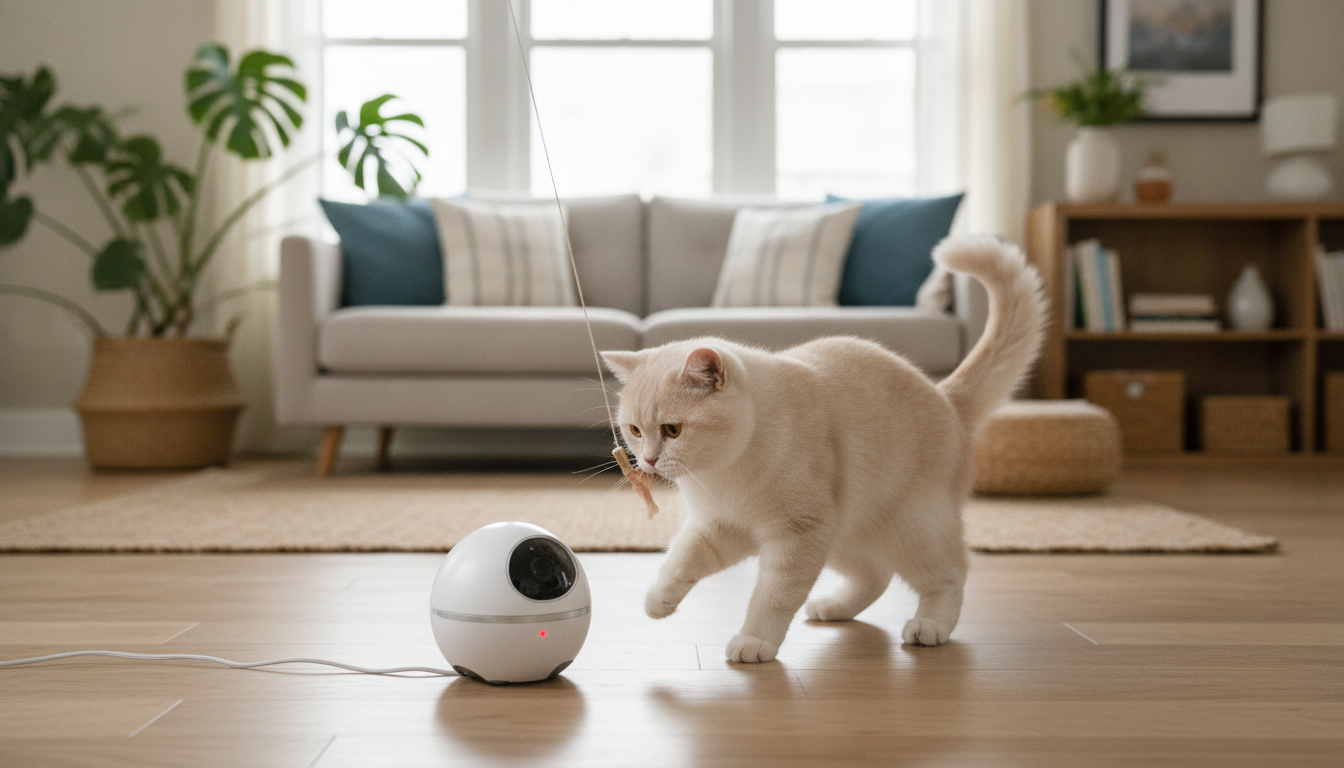
Tracking Your Pet’s Behavior with Cameras: A Practical Guide for Smarter Monitoring and Training
Pet cameras can do more than confirm a nap schedule. With a simple setup and a consistent review routine, video clips can reveal patterns behind barking, pacing, chewing, litter box avoidance, counter-surfing, and separation stress. The goal isn’t to turn your home into a surveillance project—it’s to capture a few clear moments that explain what’s happening, when it happens, and what tends to help.
What behavior cameras can (and can’t) reveal
Video is especially useful when a behavior seems random. Often, it isn’t. Cameras help connect the dots between triggers, timing, and the full sequence of events.
- Useful for identifying triggers and timing: door noises, delivery windows, owner departure cues, other pets entering a room, and neighborhood activity outside a window.
- Best for spotting sequences: pre-bark signals, pacing loops, jump-up patterns, resource guarding moments, and how long it takes your pet to recover after an incident.
- Limitations: cameras don’t measure pain, anxiety level, or motivation on their own—video is a clue, not a diagnosis.
- When to escalate: sudden behavior changes, repeated vomiting/diarrhea, limping, head tilt, seizures, or dramatic appetite shifts should prompt a veterinary check.
For reputable general guidance on behavior and welfare, consider resources from the American Veterinary Medical Association (AVMA) and the American College of Veterinary Behaviorists (ACVB).
Choosing a camera setup that matches the behavior goal
Start with the behavior question, not the gadget. A “perfect” camera won’t help if it’s aimed at the wrong area or if you don’t have a repeatable way to review clips.
- Define the goal first: separation-related vocalizing, house-soiling, destructive chewing, nighttime roaming, inter-pet conflicts, or training follow-through.
- Single-room monitoring: one wide-angle camera can cover entryways, a crate area, food stations, and common pacing routes.
- Multi-room coverage: add a second camera only when the behavior consistently occurs out of view (for example, litter box area vs. living room).
- Key features that matter: reliable motion events, clear night vision, time-stamped clips, adjustable sensitivity, and easy exporting/sharing for a trainer or veterinarian.
- Optional features: treat tossing, laser toys, or advanced AI labels can be convenient, but they aren’t required for consistent behavior logging.
Camera features mapped to common behavior questions
| Behavior question | Most helpful features | Setup notes |
|---|---|---|
| Barking/howling when alone | Clear audio, event timeline, adjustable motion sensitivity | Place near the main area where the pet waits; reduce window glare |
| Destructive chewing | Wide-angle view, continuous recording or frequent events | Aim at the target object area; keep cords out of reach |
| Litter box avoidance | Night vision, discreet placement, clip export | Angle to capture approach/exit; avoid pointing directly into the box for privacy |
| Counter-surfing/food stealing | Motion zones, push alerts, wide-angle | Set a zone on the counter edge; avoid false alerts from curtains/fans |
| Inter-pet tension | Higher frame clarity, wider view, clip sharing | Cover pinch points: doorways, food/water stations, couch access routes |
Placement: getting usable footage without stressing the pet
Good placement is less about centering a room and more about capturing the decision points—where your pet pauses, chooses a route, or reacts to a sound.
Turning clips into training insights: a simple review routine
If you’re working on common issues like barking, scratching, or litter box habits, practical behavior tips from the ASPCA’s pet care resources can support your management plan alongside your video notes.
A practical behavior log template (built from what the camera shows)
Behavior tracking log (example fields)
| Date/time | Trigger or context | Behavior & intensity | Duration | What happened right after | Notes / next step |
|---|---|---|---|---|---|
| Mon 8:10–8:25 | Owner departure cues (shoes/keys) | Whining then pacing (medium) | 15 min | Settled on bed | Practice shorter departures; add chew before leaving |
| Tue 12:40 | Delivery knock | Barking burst (high) | 2 min | Stopped when door closed | Work on mat settle; reduce window access during peak hours |
| Wed 6:05 | Cat approaches food bowl | Dog stiffens, blocks path (medium) | 30 sec | Cat retreats | Feed separately; add station distance and supervised desensitization |
Privacy, security, and household consent
When video data should be shared with a professional
Digital guide for structured behavior tracking and training follow-through
If you want a ready-to-use format you can keep on your phone or print, Tracking Your Pet’s Behavior with Cameras – Practical Guide (Digital Download) organizes setup, placement, a daily review routine, and behavior log prompts into a single workflow.
For anyone who stays motivated with short check-ins and simple weekly summaries, pairing your behavior notes with a mindset-friendly reading plan like Shifting Seasons: Inspiring Quotes That Spark Life-Changing Moments (Digital Download) can help you stick with the routine long enough to see measurable change.
FAQ
How long should pet camera footage be reviewed each day for behavior tracking?
A consistent 5–10 minute review focused on event markers is usually enough to spot patterns and track progress. Add a longer review after an incident or when you’re testing a specific training or management change.
Where should a pet camera be placed to capture separation anxiety behaviors?
Aim the camera at the area where your pet typically waits plus the main exit route, and make sure audio is enabled. Position it high enough to capture pacing loops and door fixation while avoiding window backlight that can wash out posture details.
Are pet cameras safe to use at night with night vision?
Generally yes, as long as cables are secured and the device is placed safely away from water and chewing access. Choose settings that minimize bright indicator lights, and confirm your pet isn’t startled or stressed by the camera’s presence.
















Leave a comment