Calm Home Habits: Simple Routines to Ease Anxiety
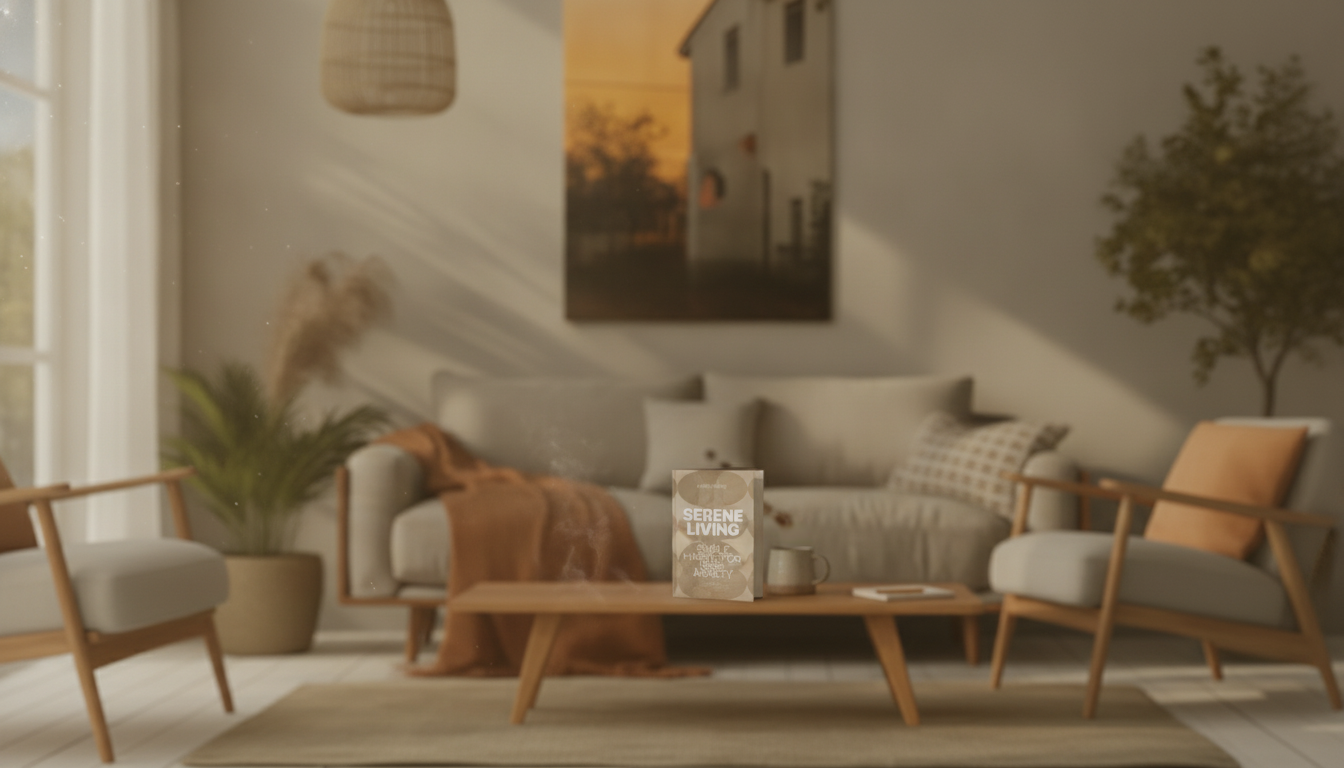
Serene Living: Simple Habits for Less Anxiety and a Calmer Home
A calmer home rarely comes from one big change. It’s usually built through small, repeatable routines that make everyday life feel more predictable, supportive, and easier to manage. The goal isn’t a picture-perfect space—it’s fewer friction points, less overstimulation, and gentle structure you can rely on when life gets busy.
Why the home environment can amplify anxiety
Your home is where your nervous system tries to downshift. When clutter piles up, noise is constant, schedules feel unpredictable, or unfinished tasks stay in sight, the body can remain in a more “on alert” state. Even if nothing is technically wrong, it can feel like something is always about to happen.
These are often “micro-stressors”: visual mess, constant notifications, decision overload (What’s for dinner? Where are my keys? Did I pay that bill?), and small disruptions that stack across the day. Over time, the accumulation can increase irritability, reduce focus, and make rest feel harder to access.
Calming routines work best when they’re simple, specific, and easy to repeat during stressful weeks. Supportive home habits can be a helpful layer of care, but they’re not a substitute for professional treatment if anxiety feels unmanageable or is worsening. For more background on anxiety disorders, visit the National Institute of Mental Health.
Start with a 10-minute reset: the foundation habit
If you adopt only one habit, make it a daily 10-minute reset. Choose one small window—morning or evening—so the routine becomes predictable. Keep it time-limited on purpose; a short reset prevents perfectionism from turning “tidying” into an exhausting project.
Use a three-step pattern: clear one surface, put away the obvious items, and set out tomorrow’s essentials. Anchor it to something you already do: after coffee, after dinner, or right before brushing your teeth.
10-minute reset checklist (low-effort, high-impact)
| Minute | Action | Why it helps |
|---|---|---|
| 1–2 | Clear one “landing zone” (counter, table, entry shelf) | Reduces visual noise and signals closure |
| 3–5 | Return items to their homes (or one bin if short on time) | Prevents task buildup and decision fatigue |
| 6–8 | Prep a tiny tomorrow kit (keys, charger, water bottle, notes) | Lowers morning rush and anticipatory stress |
| 9–10 | Light cue: dim lights, open window briefly, or play one calming track | Creates a predictable transition into rest |
Calm-by-design spaces: small tweaks that change the feel of a room
“Calm” is often the result of fewer inputs and clearer defaults. Start by creating one calm corner: a chair, a blanket, and one consistent sensory cue (a small lamp, a familiar scent, or a single playlist). The point is to train your brain to recognize a reliable “safe mode” space.
To reduce overstimulation, limit open storage where possible. Baskets, trays, or a single catch-all bin can hide visual clutter without demanding a full organizing overhaul. Add a simple drop zone at the entry—hooks, a tray, or a dedicated shelf—so keys, wallet, and daily carry items stop migrating across the house.
Lighting matters more than most people realize. Brighter light supports alertness earlier in the day; warmer, dimmer light can help your body shift toward rest in the evening. The American Psychological Association’s stress resources also emphasize building practical stress-management habits—small environmental cues can be part of that toolkit.
Finally, keep a visible “done list.” Write down even two completed tasks (washed dishes, answered one email). It’s a simple counterweight to the feeling of never catching up.
Morning routines that lower the day’s baseline stress
Evening wind-down: routines that help the body feel safe to rest
Lower sensory input where you can: dim lights, reduce loud audio, and keep screens farther from bedtime. For sleep basics and why consistent routines help, the CDC’s sleep resources are a solid reference.
Weekly rhythms: a gentle structure that prevents overwhelm
When anxiety spikes: quick home-based coping moves
A step-by-step plan to make habits stick (without perfectionism)
Calm-home companion guide: simple routines in one place
If it helps to follow a clear sequence instead of reinventing routines each week, a structured companion can keep the process simple. Serene Living: Simple Habits for Less Anxiety (Calm Home Guide & Ebook) gathers resets, wind-downs, and weekly rhythms into an easy framework you can revisit anytime.
For extra daily support, pair a guide with a printable checklist or a notes app for quick tracking. When you want additional encouragement on tough days, Shifting Seasons: Inspiring Quotes That Spark Life-Changing Moments (eBook) can be a simple, low-effort way to add a grounding pause to your routine.
If part of your stress comes from juggling essentials on the go, setting up a reliable “grab-and-go” system helps. A dedicated everyday bag, like the Women’s Soft PU Leather Rivet Backpack Large Fashion Daypack, can keep your “tomorrow kit” items in one consistent place.
FAQ
What is a simple daily routine to reduce anxiety at home?
Try a 10-minute reset once a day, add one predictable wind-down cue (dim lights or one calming track), and do a one-minute morning plan with your top 1–3 priorities. The calming effect comes from consistency, not doing it perfectly.
How do I make my home feel calmer when I don’t have time to declutter?
Focus on one surface, use a single catch-all bin for fast pickups, and create an entry drop zone for keys and daily items. Time-box a reset to 10 minutes so it stays doable even on busy days.
Can home routines replace therapy for anxiety?
No—home routines are supportive habits that can reduce daily friction and improve predictability, but they don’t replace professional care. If symptoms are severe, persistent, or worsening, reach out to a licensed professional.












Leave a comment