AI Morning Routine: Calm, Flexible, Stress-Free Start
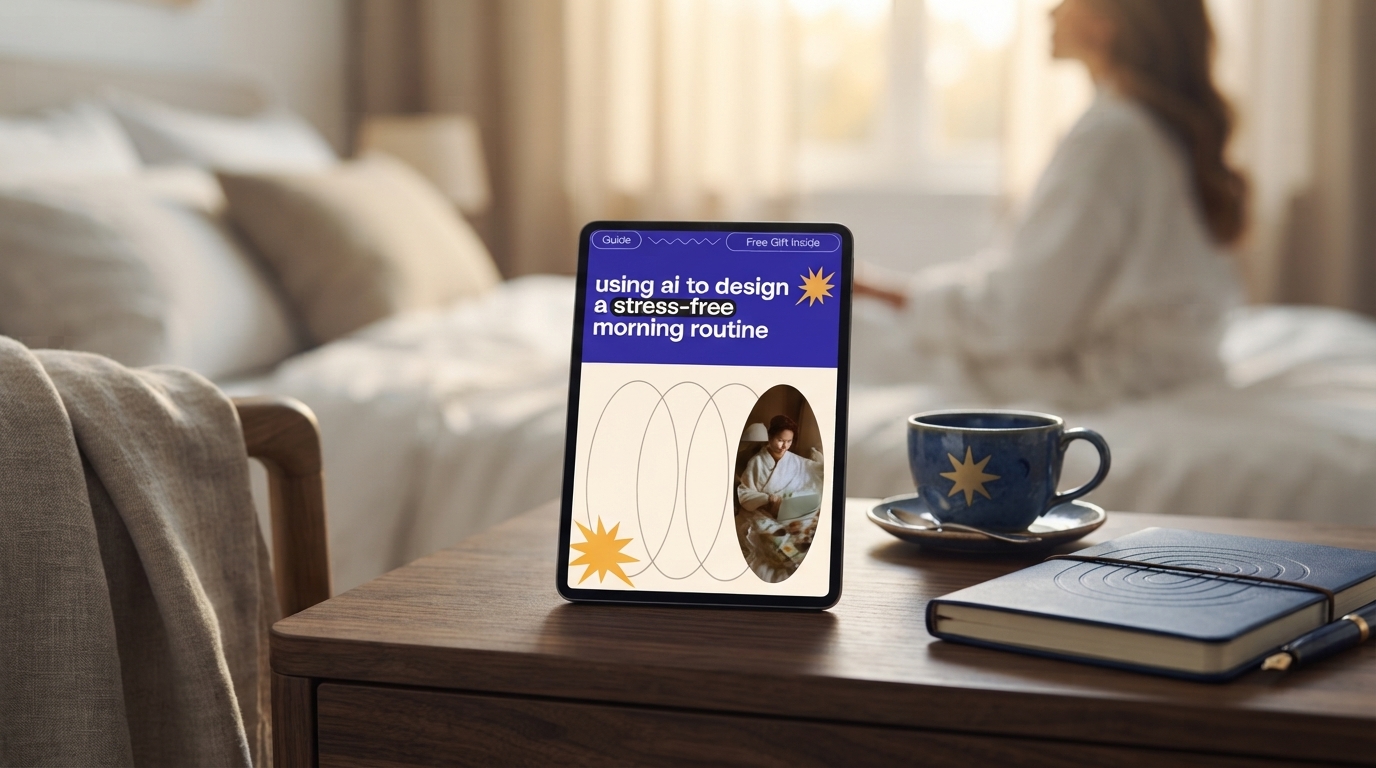
Using AI to Design a Stress-Free Morning Routine for Calm, Productive Days
A calmer morning usually comes down to fewer decisions, realistic timing, and routines that match energy levels. AI can help turn a messy set of goals—less stress, more focus, better balance—into a flexible routine that adapts to sleep, schedule changes, and personal preferences without adding complexity. The best part: you stay in control, while AI handles the organizing and “what comes next” thinking.
Why mornings feel stressful (and what actually helps)
Morning stress often isn’t about motivation—it’s about friction. A few common patterns tend to create that rushed, scattered feeling:
- Decision overload: too many choices before the day has started (clothes, breakfast, what to tackle first).
- Time blindness: underestimating transitions like getting dressed, making coffee, and packing bags.
- Phone-first spirals: notifications and headlines raising stress before priorities are set.
- Unclear priorities: urgent tasks crowd out important ones, so everything feels equally loud.
What helps most is surprisingly basic: a consistent wake window, light exposure, hydration, and a short plan for the day. If stress has been running high, it can also help to understand how stress affects the body and mind over time (see the American Psychological Association’s overview: https://www.apa.org/topics/stress/body).
What AI is good at for building a morning routine
AI shines when you want a routine that’s structured but not rigid. Instead of reinventing your morning every day, AI can turn your preferences and constraints into a repeatable sequence with built-in flexibility.
- Turning preferences into a timed sequence (wake window, commute, family needs, workout options).
- Generating multiple routine versions (10-minute, 30-minute, 60-minute) for different days.
- Creating checklists and scripts to reduce mental load (what to do next, in what order).
- Spotting bottlenecks after quick reflection notes (late starts, skipped breakfast, rushed commute).
- Suggesting small, high-impact changes rather than full routine overhauls.
AI-assisted routine tasks and outcomes
| Routine task | What AI can produce | Stress-reducing payoff |
|---|---|---|
| Morning schedule draft | A step-by-step timeline with buffers | Fewer rushed transitions |
| Priority selection | Top 1–3 outcomes for the day | Less overwhelm, clearer focus |
| Habit stacking ideas | Pairing habits with existing cues | More consistency with less effort |
| If-then plans | Backup routines for poor sleep or busy days | Less guilt, more resilience |
| Reflection prompts | Short daily check-ins and pattern spotting | Continuous improvement without overthinking |
Set the inputs: the details AI needs to personalize your morning
To get a routine that feels realistic (not aspirational), feed AI a few grounded inputs. The goal is to reflect real life: constraints first, then preferences.
- Constraints: wake time range, start time, commute, school drop-off, meetings, medication timing.
- Energy pattern: groggy vs. alert mornings, preferred caffeine timing, typical sleep duration (CDC sleep guidance is a helpful reference point: https://www.cdc.gov/sleep/index.html).
- Non-negotiables: hygiene, breakfast, movement, journaling/meditation, planning, pet care.
- Stress triggers: phone notifications, clutter, decision points (clothes, lunch, keys).
- Success markers: how a “good morning” feels (calm, on-time, focused, connected).
With those inputs, AI can propose a sequence that’s timed, simple, and forgiving—so you’re not “behind” the moment something unexpected happens.
Build a calm morning in phases (instead of a long checklist)
Long checklists create pressure. Phases create flow. Think in modules you can compress or expand:
- Phase 1: Stabilize (2–5 minutes) — water, light, one deep-breathing set, no phone scrolling.
- Phase 2: Activate (5–15 minutes) — gentle movement, shower, or a short walk to reduce stress hormones.
- Phase 3: Align (3–7 minutes) — choose the day’s top priorities and a realistic first task.
- Phase 4: Launch (5–10 minutes) — pack/prepare, set environment, leave buffer time.
Three AI-designed routine templates (10, 30, and 60 minutes)
Sample routine timelines with buffers
| Time available | Routine blocks | Optional add-ons |
|---|---|---|
| 10 minutes | Hydrate + light (2) • Breathing (2) • Quick tidy (2) • Top priority + first step (3) • Buffer (1) | Coffee after first task, short stretch |
| 30 minutes | Hydrate + light (3) • Movement (7) • Shower/get ready (10) • Breakfast (7) • Pack + buffer (3) | Gratitude note, music, prep one snack |
| 60 minutes | Hydrate + light (5) • Workout/walk (20) • Shower/get ready (15) • Breakfast (10) • Plan + prep (8) • Buffer (2) | Journaling, reading, longer meditation |
Add buffer blocks (2–5 minutes) between steps to absorb real life—spills, lost keys, kids’ curveballs, slow coffee machines. Also create an “if sleep < 6 hours” version that prioritizes calm and essentials over intensity. When sleep is short, even a brief mindfulness block can improve emotional steadiness (Harvard Health overview: https://www.health.harvard.edu/mind-and-mood/mindfulness-meditation-improves-emotional-well-being).
Guardrails that keep mornings calm
Track stress and productivity without obsessing
A guided option for building your AI-supported routine
- Using AI to Design a Stress-Free Morning Routine | Digital Guide (digital download)
- Shifting Seasons: Inspiring Quotes That Spark Life-Changing Moments (eBook)
- Women’s Soft PU Leather Rivet Backpack Large Fashion Daypack (helpful for a grab-and-go “launch zone” when mornings include commuting or school drop-offs)
FAQ
Can AI really help reduce morning stress without making routines complicated?
Yes—AI is most helpful when it simplifies decisions, builds realistic timelines with buffers, and creates fallback routines for busy or low-sleep days. You choose what to keep, and you can start with just one or two changes.
What should a beginner include in a calm morning routine?
Start with essentials: hydration, light exposure, a brief breathing or movement block, and a 1–3 priority plan. Keeping it under 10–15 minutes makes it easier to repeat consistently.
How long does it take for a new morning routine to feel natural?
Often 2–6 weeks, especially if you repeat the same core steps most weekdays. Track a simple stress/energy score and adjust one small variable at a time to make it stick.
















Leave a comment