AI Fitness Nutrition: Personalized Meals, Macros & Training
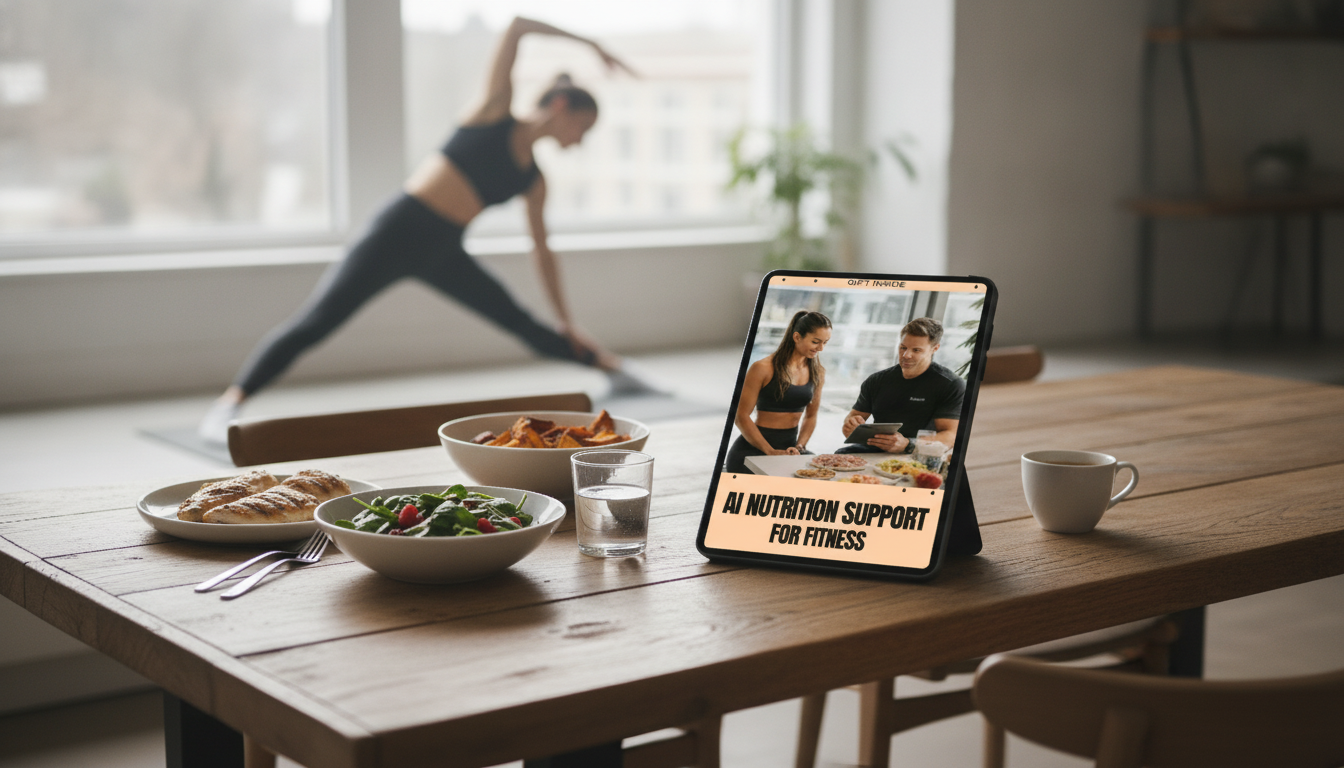
AI Nutrition Support for Fitness: Personalized Meal and Training Optimization Guide (Digital Download)
Smarter nutrition planning can remove much of the guesswork from fitness progress. Instead of jumping from diet to diet, an AI-assisted workflow helps turn a goal into clear targets, translate those targets into real meals, and then refine the plan as training, schedule, appetite, and results change. The result is a repeatable routine that supports performance and consistency—without turning nutrition into a full-time job.
What AI-supported nutrition planning actually does
AI-supported nutrition planning works best as a decision aid: it organizes inputs, suggests options, and helps you stay consistent when life gets messy. It can help convert goals like fat loss, strength gain, endurance improvement, or recomposition into nutrition targets that you can adjust over time—especially when you’re using trend data rather than reacting to single-day changes.
- Turns your goal into practical calorie and macro targets that evolve across training blocks.
- Translates targets into meals via ingredient swaps, portion ranges, and timing options.
- Uses feedback loops (weight trend, performance, hunger, recovery) to refine the plan.
- Reduces decision fatigue with templates: rotating breakfasts, snack lists, and weeknight meal “formulas.”
- Supports consistency with shopping lists, batch-prep ideas, and “minimum viable” days.
For general nutrition standards and food-group balance, it’s also worth referencing the USDA Dietary Guidelines for Americans.
Set the foundation: goals, baseline, and non-negotiables
Personalization starts with clarity. Define one primary outcome and one secondary outcome (for example: “increase strength while keeping body fat stable”). This keeps the plan from becoming too aggressive in conflicting directions.
- Collect baseline data for 7–14 days: average intake, steps, training days, sleep, and body-weight trend.
- List constraints: budget, cooking time, allergies, cultural preferences, and “must-have” foods.
- Choose a tracking method that fits your lifestyle: full logging, simplified portions, or template days.
- Pick an adherence target you can maintain (often 80–90% consistency beats a perfect week you can’t repeat).
The goal of the baseline is not judgment—it’s calibration. Once you know where you’re starting, small changes become easier to measure and maintain.
Personalize macros and calories for training demands
Calorie targets should be guided by trend data and adjusted in small steps rather than frequent large swings. If you frequently overcorrect, you’ll often end up bouncing between “too low to train well” and “too high to see progress.”
- Protein: Prioritize a consistent daily protein range to support muscle repair and satiety, ideally spread across meals.
- Carbohydrates: Scale carbs with training volume and intensity; place more around demanding sessions when helpful.
- Fats: Keep enough for overall health while leaving room for protein and performance-supporting carbs.
- High/low days: When training varies across the week, vary carbs/calories slightly (hard days vs. rest days) instead of forcing the same intake daily.
For sports nutrition perspectives on macros and performance, review the International Society of Sports Nutrition (ISSN) Position Stands.
Timing and meal structure that supports performance
Meal timing doesn’t need to be perfect to work—but a few simple patterns can improve training quality and recovery. When sessions are longer or higher intensity, pre-workout carbs with some protein can support output. Post-workout, a balanced meal with protein and carbs helps replenish and sets up the next session.
Example meal timing templates (choose based on training time)
| Training time | Pre-workout option | Post-workout option | Notes |
|---|---|---|---|
| Morning | Banana + yogurt or whey + toast | Eggs or tofu scramble + rice/oats + fruit | Keep pre-workout light if appetite is low |
| Midday | Chicken/tempeh wrap + fruit | Bowl: protein + grains + vegetables + sauce | Prioritize carbs if session is intense |
| Evening | Snack: cereal + milk or protein smoothie | Dinner: protein + potatoes/pasta + vegetables | Avoid very high fat right before training if it slows digestion |
| Rest day | Regular meal spacing | Regular meal spacing | Focus on protein and produce; adjust carbs to activity level |
Build an AI-assisted weekly plan without becoming dependent on tools
If you want a structured, ready-to-use framework, the AI Nutrition Support for Fitness Guide (digital download) is built around repeatable templates and simple adjustment rules, so you can stay consistent without obsessing over daily tweaks.
Feedback loops: adjust based on outcomes (not daily fluctuations)
For targeted micronutrient guidance (like vitamin D, magnesium, omega-3s, and more), the NIH Office of Dietary Supplements fact sheets can help you make informed choices.
Common pitfalls and how to avoid them
Recommended downloads and essentials
- AI Nutrition Support for Fitness Guide | Smart AI Nutrition Support Fitness Planning | Digital Download for Personalized Meal & Training Optimization ($6.99)
- Shifting Seasons: Inspiring Quotes That Spark Life-Changing Moments | eBook of Inspirational Quotes About Change | Digital Download for Personal Growth ($21.99)
- Women’s Soft PU Leather Rivet Backpack Large Fashion Daypack ($34.97)
What’s included in the digital guide
FAQ
Does AI nutrition planning replace a registered dietitian or coach?
No. AI-assisted planning is a support tool for organizing meals and making adjustments, but it doesn’t replace individualized medical nutrition therapy or coaching. If you have a medical condition, a history of disordered eating, are pregnant, or have complex performance goals, work with a qualified professional.
How long does it take to see results when following a structured plan?
Many people notice changes in energy, workout consistency, and recovery within 1–2 weeks. Visible or measurable body composition changes often take 4–8+ weeks, depending on starting point, goal, and adherence.
Can a plan work without weighing and tracking every ingredient?
Yes. Portion guides, repeatable template days, and simplified tracking can work well when consistency is high. If progress stalls, a short tracking period can help recalibrate portions and confirm targets.
















Leave a comment