Puppy Training by Age: Simple Week-by-Week Schedule
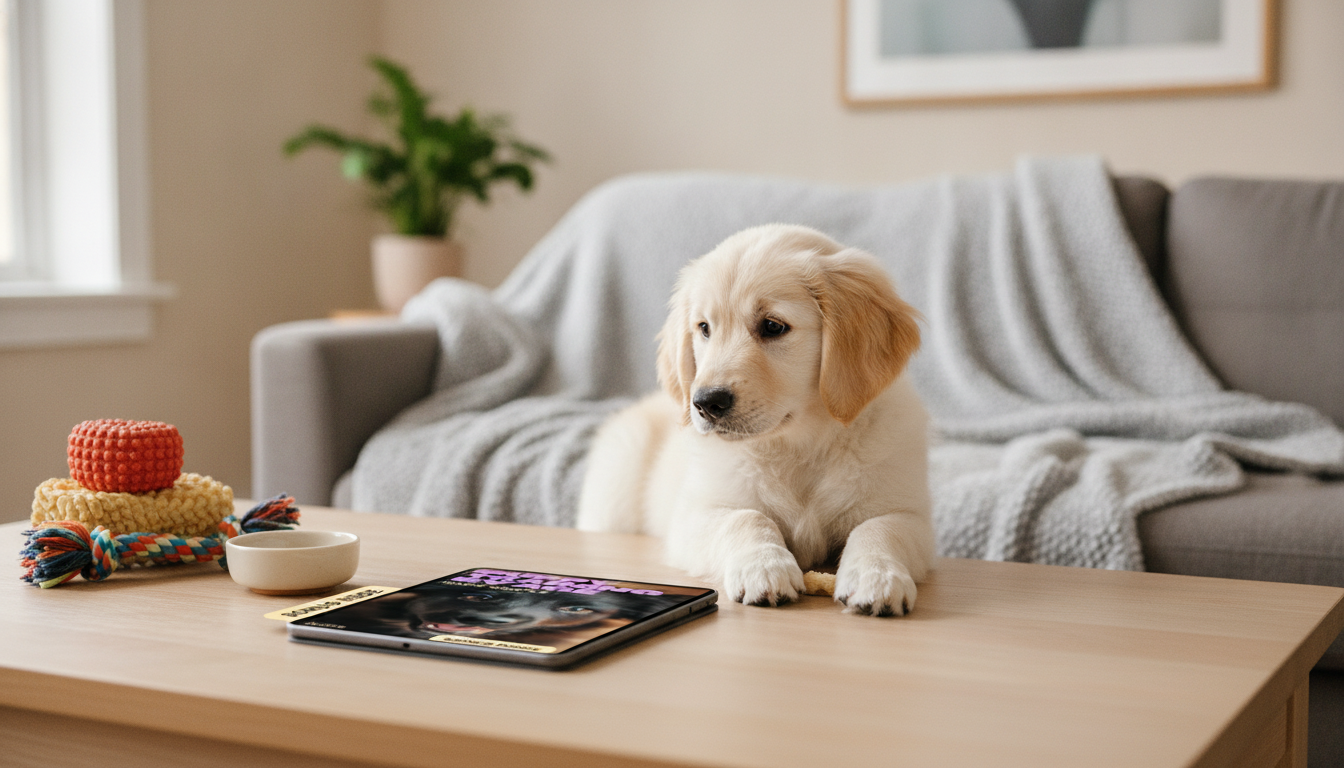
Puppy Training by Age Made Simple: A Step-by-Step Schedule for Basics, Obedience, and Daily Routines
A clear training schedule helps puppies learn faster with fewer setbacks. This age-by-age plan focuses on what matters most at each stage—potty training, crate comfort, socialization, bite inhibition, and foundational cues—so daily routines stay predictable and progress feels manageable.
Before Week 8: Set Up the Home for Training Success
Most puppies come home around 8 weeks, but the prep work you do before pickup makes the first days dramatically smoother.
- Choose a small confinement area (crate + pen) to prevent roaming accidents and to support calm downtime.
- Stock reward options: tiny soft treats, a tug toy, a chew, and a food-stuffable toy for quiet time.
- Create a simple house routine: wake → potty → play/training → food → potty → nap, repeated through the day.
- Pick one marker word (“Yes”) or a clicker; keep timing consistent to speed learning.
- Plan the first vet visit and discuss vaccination timeline before high-traffic outings.
If you want a printable structure you can keep on the fridge, Puppy Training by Age, Made Simple – Easy Step-by-Step Guide lays out daily routines and what to prioritize at each stage.
8–10 Weeks: First Days Home (Bonding, Potty, Crate, Name)
At this age, success is mostly management: preventing mistakes, rewarding the right moments, and keeping the puppy feeling safe.
- Potty training: take the puppy out after waking, after eating/drinking, after play, and every 30–60 minutes when awake; praise and reward immediately after finishing.
- Crate training: start with short, positive sessions; feed meals in the crate and give a chew to build a calm association.
- Name game: say the name once, reward eye contact; repeat in multiple rooms for quick recognition.
- Gentle handling: touch paws, ears, mouth for 1–2 seconds then reward; build comfort for grooming and vet care.
- Prevent nipping: redirect to a toy; pause play briefly if teeth touch skin; reward calm mouth behavior.
8–10 Week Daily Mini-Schedule (Example)
| Time Block | Focus | What to Do |
|---|---|---|
| Wake | Potty + calm | Go straight outside; reward; 2 minutes of quiet praise |
| Morning | Meal + crate | Feed in crate; 5–10 minutes calm chew after |
| Mid-morning | Training | 2–3 minutes: name, “sit”, follow-me (luring) |
| After play | Potty reset | Outside immediately; reward; short sniff break |
| Afternoon | Social exposure | New surfaces/sounds at a distance; treat for curiosity |
| Evening | Settle | Leash-on indoors + mat time; reward calm lying down |
| Night | Sleep plan | Final potty; crate near bed; one brief, boring potty trip if needed |
10–12 Weeks: Social Skills and Foundations (Sit, Down, Recall Basics)
This is a prime window for positive social learning. Keep exposures brief and upbeat, and avoid flooding (too close, too fast).
- Socialization goal: short, positive exposures to people, safe dogs, sounds, and environments—paired with treats and distance as needed.
- Introduce “sit” and “down” with food lures; reward quickly, keep sessions under 3 minutes.
- Start recall foundations: say the puppy’s name + “come” in a happy tone, move away, reward heavily for arriving.
- Leash comfort indoors: let the puppy drag a lightweight leash briefly, then practice short follow and reward.
- Begin “drop it” trades: offer a treat near the nose, say “drop,” reward the release, then give the toy back to reduce guarding.
For a science-backed view on why early, safe socialization matters, see the American Veterinary Society of Animal Behavior (AVSAB) puppy socialization position statement.
12–16 Weeks: House Rules, Bite Inhibition, and Calm Settling
As confidence grows, puppies often get bolder—and busier. Channel that energy into clear rules and predictable calm time.
- Increase potty reliability by expanding freedom only after a clean streak; supervise or confine when unsure.
- Teach “leave it” with a closed hand: reward the moment the puppy disengages; progress slowly to floor items.
- Build calm: reward the puppy for choosing to lie down, relax on a mat, or chew quietly.
- Practice short alone-time: step out for 10–60 seconds, return before distress; pair with a chew to prevent separation issues.
- Strengthen recall with games: “ping-pong” between family members; reward with food, play, or a brief sniff walk.
4–6 Months: Consistency, Loose-Leash Walking, and Polite Greetings
Teething, increased stamina, and curiosity can make this phase feel chaotic. Keep training practical and reward the behaviors you want to live with long-term.
For additional fundamentals and timing tips, the American Kennel Club’s puppy training basics is a helpful reference.
6–12 Months: Adolescence Training (Distractions, Impulse Control, Real-Life Reliability)
Common Problems and Quick Fixes
For a deeper look at housetraining patterns and common setbacks, VCA Animal Hospitals’ housetraining guide is a solid resource.
A Simple Weekly Checklist to Stay on Track
Helpful Picks to Support Your Routine
- Puppy Training by Age, Made Simple – Easy Step-by-Step Guide for a Puppy Training Schedule by Age | New Puppy Basics, Obedience & Routines (digital guide)
- Shifting Seasons: Inspiring Quotes That Spark Life-Changing Moments | eBook of Inspirational Quotes About Change | Digital Download for Personal Growth (a quick morale boost for the “why is today harder?” weeks)
FAQ
How long should puppy training sessions be by age?
Keep sessions very short for young puppies (about 1–3 minutes) and repeat a few times daily. As focus improves, build up gradually to 5–10 minutes, ending while the puppy still wants more.
When can a puppy start learning obedience cues like sit, down, and come?
Start as soon as the puppy comes home using simple lures and frequent rewards. Begin in low-distraction areas and reinforce heavily, especially for coming when called.
What is a realistic potty training timeline?
Many puppies improve steadily over weeks with close supervision, a consistent schedule, and limited freedom. Reliability commonly strengthens by 4–6 months, though occasional accidents can still happen after disruptions or too much freedom too soon.
















Leave a comment