Repeat-Ready Mom Outfits for Busy Days (No Stress)
Effortless Mom Style for Busy Lives: Outfit Ideas That Work on Repeat
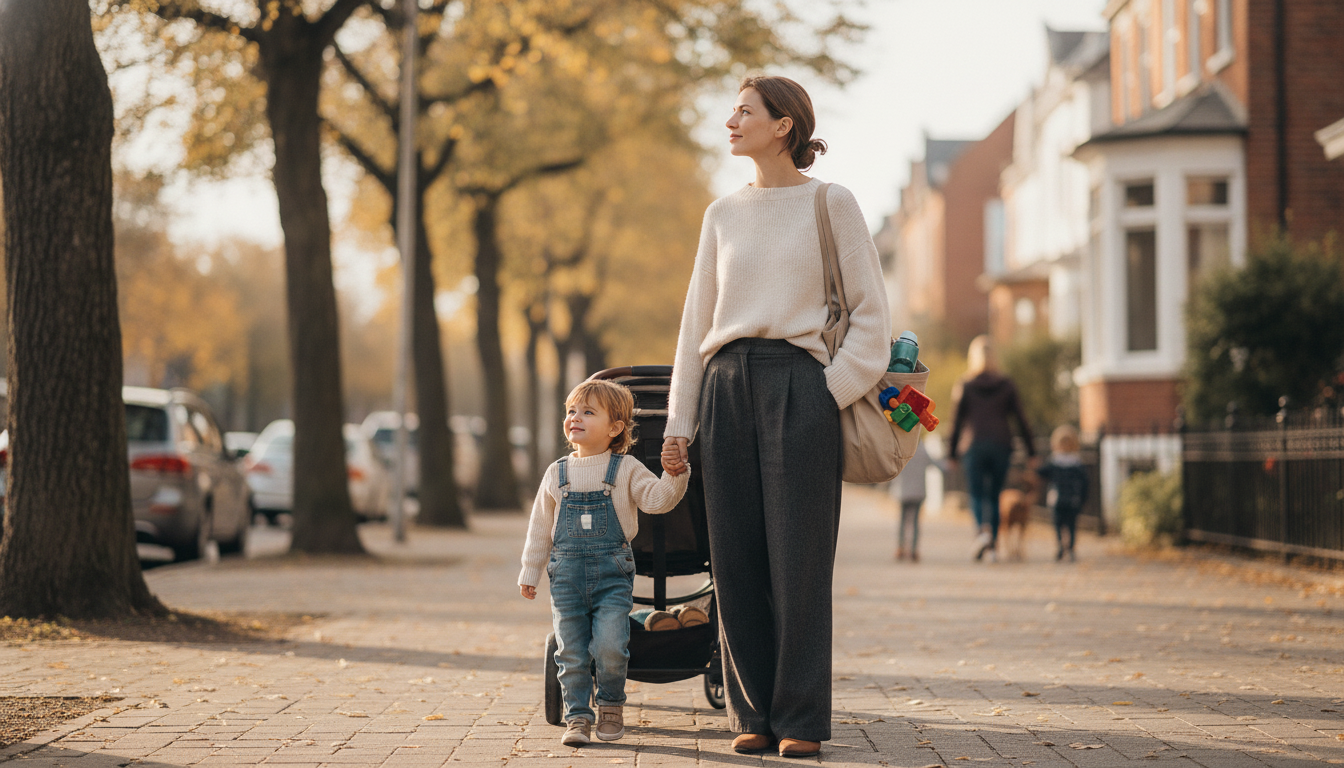
Getting dressed can feel like one more task on an already packed schedule. The simplest way to look pulled-together is to rely on a small set of comfortable, mix-and-match staples, then repeat proven outfit formulas that work for school drop-off, errands, playdates, and last-minute plans. The goal is fewer decisions, more confidence, and outfits that move with real life.
A simple style system for hectic mornings
- Choose 2–3 base bottoms you genuinely love wearing (think dark jeans, leggings, tailored joggers) and build around them.
- Pick 4–6 tops that match all your bottoms so any grab-and-go combination works without mental math.
- Keep a tight color palette: mostly neutrals plus 1–2 accent colors you can repeat (like olive, burgundy, or soft blue).
- Place one “polished layer” by the door (denim jacket, cardigan, blazer, or utility jacket) for instant structure.
- Use a 5-minute finish: earrings, shoes swap, bag—done.
If you want a ready-made set of repeatable combinations, Effortless Mom Style for Busy Lives: Mom Outfit Ideas for Busy Moms is an easy reference to keep on hand when decision fatigue hits.
Wardrobe essentials that earn their spot
A “busy-life” closet doesn’t need more pieces—it needs better players. Aim for items that layer well, wash well, and feel comfortable from morning through bedtime.
Tops
- Fitted tee (great for layering under blazers and jackets)
- Relaxed tee (the everyday uniform top)
- Breathable tank (the base for cardigans, button-downs, and warm days)
- Button-down or popover (coverage without feeling fussy)
- One elevated knit (ribbed, textured, or a polished sweater tee)
Layers
- Cardigan for softness and quick warmth
- Denim or utility jacket for structure
- Lightweight blazer for calls, meetings, and “I need to look sharp” moments
Bottoms
- High-rise dark denim (reads polished even with sneakers)
- Black leggings (the comfort MVP)
- One “tailored-but-comfy” option (jogger or wide-leg pull-on pant)
Shoes and accessories
- Clean sneakers
- Flat sandal or loafer
- One easy dress-up pair (ankle boot or block heel)
- Small hoops or studs, a simple necklace, and a practical hands-free bag
For days when you need both style and function, a hands-free backpack like the Women’s Soft PU Leather Rivet Backpack Large Fashion Daypack can keep essentials close while leaving you free to carry snacks, hold hands, and push carts.
Outfit formulas to rotate all week
Outfit formulas are your shortcut to consistency. Once you find combinations that feel good, repeat them—just change color, shoes, or your “third piece.”
- Leggings + longline tee + denim jacket + sneakers: comfortable, tidy, and ready for movement.
- Dark jeans + tucked tee + cardigan + loafers: casual-polished without sacrificing comfort.
- Joggers + fitted tank + open button-down + sneakers: athletic but intentional.
- Midi dress + cropped jacket + sneakers: one-and-done with kid-friendly mobility.
- Wide-leg pull-on pants + ribbed knit + sandals: airy, flattering, and warm-weather easy.
- Shorts + linen shirt + slides: breathable for summer errands.
Quick outfit formulas by occasion
| Occasion | Base pieces | Fast upgrade |
|---|---|---|
| School drop-off | Leggings + tee + sneakers | Add a structured layer (denim/utility jacket) |
| Errands + appointments | Dark jeans + knit top | Swap to loafers and add simple jewelry |
| Playdate or park | Joggers + tank + sneakers | Add an open button-down for coverage |
| Work call or meeting | Pull-on pants + tee | Add a blazer and a sleek pony/bun |
| Dinner or event | Midi dress | Add ankle boots and a small crossbody |
Seasonal swaps that keep the same formulas working
The most repeatable closets don’t reinvent outfits every season—they swap fabrics and outer layers while keeping the same basic formulas.
- Spring: trade heavy layers for a trench or light utility jacket; add white sneakers.
- Summer: reach for breathable fabrics like cotton jersey and linen blends; keep a light button-down for strong AC.
- Fall: add ankle boots, richer tones, and a longer cardigan; layer tanks under knits.
- Winter: use a warm base (thermal tee), a mid-layer (cardigan), and a top layer (coat); finish with a beanie and scarf.
Choosing a few better-wearing materials also helps outfits stay in rotation longer. For a deeper look at textile waste and why longevity matters, see the U.S. Environmental Protection Agency’s overview on textile sustainability and the environment.
Comfort-forward styling that still looks put-together
When you’re between sizes or unsure what’s “off,” focusing on measurement basics can help you buy fewer pieces that fit better. The National Institute of Standards and Technology offers helpful background on fit and sizing fundamentals (especially useful when shopping across brands).
On-the-go essentials that make outfits easier
Easy style refresh without a closet overhaul
FAQ
What are the quickest outfit ideas for mornings with no time?
Use a few go-to formulas: leggings + longline tee + denim jacket + sneakers; dark jeans + tee + cardigan; or a midi dress + sneakers. Keeping a polished layer and a small set of everyday accessories by the door speeds everything up.
How can comfortable outfits look more put-together?
Add a “third piece” like a blazer, denim jacket, or open button-down, and keep proportions balanced (relaxed with slim, fitted with wide-leg). Clean shoes and simple jewelry do a lot of heavy lifting, especially when fabrics have a bit of structure.
How many clothes are needed for a simple mom capsule wardrobe?
A realistic range is about 25–35 core items: 2–3 bottoms, 6–10 tops, 2–3 layers, 2–3 pairs of shoes, and a few accessories. The key is that most pieces mix together easily, so you can repeat outfits without feeling repetitive.








Leave a comment