Warm Hands Cycling: Windproof Handlebar Mitts Guide
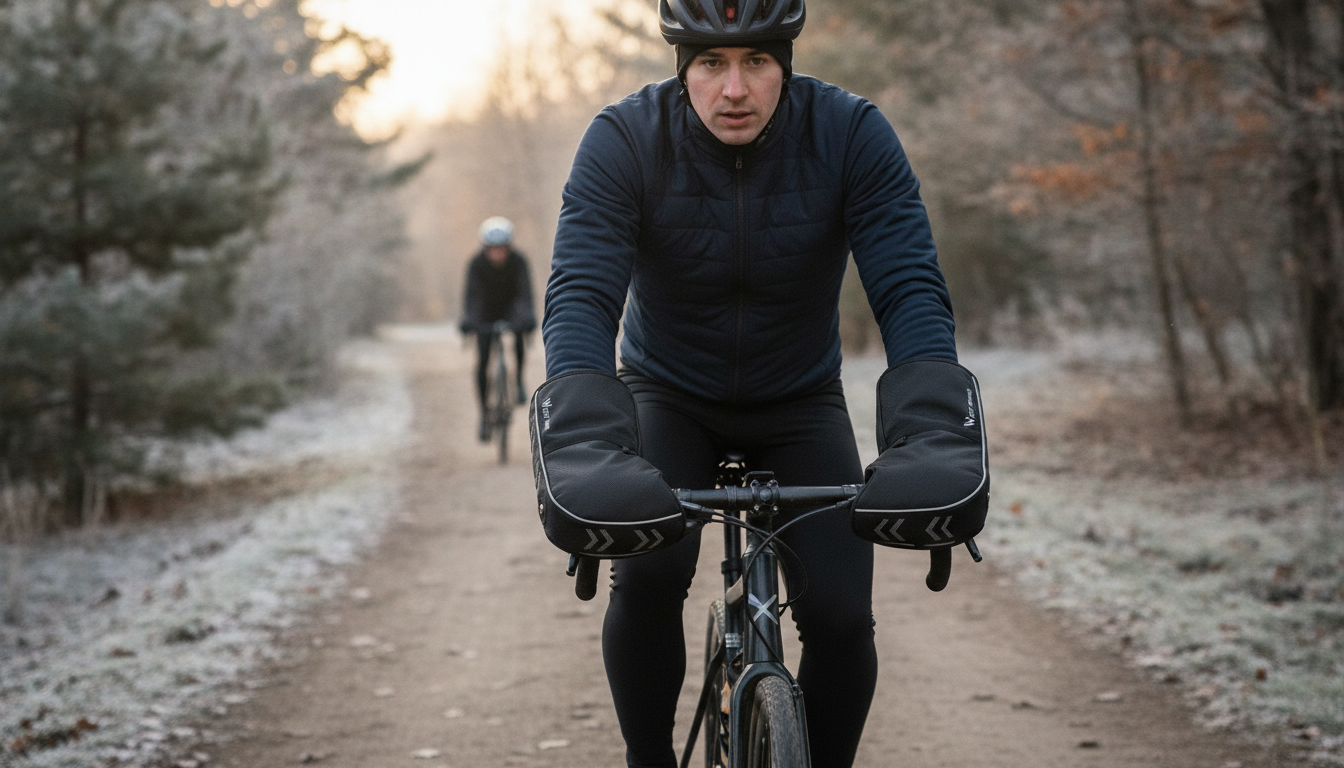
Winter Windproof Bike Handlebar Mitts – Thermal Fleece Bar Gloves
Cold wind on the hands can turn a comfortable ride into a struggle—especially on longer commutes, exposed paths, or fast descents. Handlebar mitts (also called bar gloves or pogies) create a warmer pocket around the grips and controls, helping keep fingers responsive without piling on bulky gloves. Below is a practical guide to what to look for, how mitts behave in real winter conditions, and how to set them up for confident shifting and braking.
What Handlebar Mitts Do (and Why They Feel Warmer Than Gloves Alone)
The biggest enemy of warm hands on a bike is moving air. At speed, wind strips away the thin layer of warmth around your gloves, accelerating heat loss. Handlebar mitts interrupt that airflow and create a protected “microclimate” around your hands and controls.
- Blocks wind and traps heat: By reducing wind chill and evaporative cooling, warmth stays steadier when you’re cruising, descending, or crossing bridges.
- Improves dexterity: Many riders can wear thinner gloves inside mitts, making it easier to feel brake levers, press shifters, and handle zippers or keys at stops.
- Helps in stop-and-go riding: Hands often cool down between traffic lights or delivery stops; mitts help prevent that repeated warm/cold cycle.
- Reduces glove swapping: Instead of changing gloves as effort and temperature fluctuate, you keep hands inside the insulated pocket and adjust with liners if needed.
For a quick reality check on how much wind matters, compare temperatures and wind speeds using the National Weather Service Wind Chill Chart.
Key Features to Prioritize for Winter Riding
Not all bar mitts feel the same on the road. The most comfortable setups combine wind protection, easy hand entry, and enough structure to keep controls accessible.
- Windproof outer layer: The comfort jump usually comes from stopping wind chill rather than stacking more insulation.
- Thermal fleece lining: Fleece helps retain warmth and feels comfortable when you slide your hands in at the start of a ride.
- Structured opening: A mouth that holds its shape makes quick entry/exit easier at intersections and during frequent stops.
- Control access and internal clearance: There should be room to reach levers and shifters cleanly without compressing fingertips or snagging glove seams.
- Secure attachment points: Stable mounting prevents rotation in crosswinds or when you stand to climb.
- Weather resilience: Water-resistant shells and decent seam construction help with road spray and light precipitation. In heavy rain, pair mitts with gloves that manage moisture well.
At-a-Glance Fit Check: Bike Compatibility and Setup Needs
Before buying, think about your handlebar shape, your controls, and anything mounted near the grips. Flat bars and commuter bars are typically the simplest fit; drop bars often need drop-specific shapes for comfortable access to hoods and drops.
| Checklist Item | Why It Matters | What to Confirm Before Buying/Installing |
|---|---|---|
| Handlebar shape | Determines access to grips and controls | Mitts match flat/commuter bars; verify space for levers/shifters |
| Brake lever travel | Prevents lever rub and incomplete braking | Levers pull fully without contacting the mitt interior |
| Shifter access | Avoids missed shifts when wearing gloves | Thumb/index reach feels natural inside the mitt |
| Accessories (lights, mirrors, bells) | Prevents interference at the opening | Mounts positioned so the mitt opening stays clear |
| Attachment stability | Keeps mitts from rotating in use | Straps/fasteners cinch firmly without crushing cables |
How to Install and Dial In Comfort
A few minutes of careful setup can make the difference between “toasty and effortless” and “awkward and drafty.”
For additional winter riding safety habits and route considerations, consult PeopleForBikes resources.
Real-World Use: Temperatures, Wind, and Moisture
Care, Storage, and Off-Season Tips
Product Spotlight
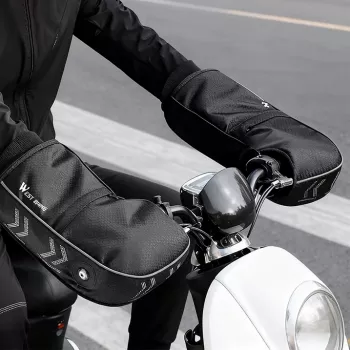
Winter Windproof Bike Handlebar Mitts – Thermal Fleece Bar Gloves
If the goal is warmer hands without losing control feel, Winter Windproof Bike Handlebar Mitts – Thermal Fleece Bar Gloves are designed to reduce wind chill and make winter commuting and errand rides more comfortable. The thermal fleece interior helps retain warmth while still letting many riders use a less-bulky glove inside for better braking and shifting. Mitt-style coverage also helps protect the back of the hand and wrist area—common spots where cold air sneaks in.
Women’s Soft PU Leather Rivet Backpack Large Fashion Daypack
For riders who commute or run errands in colder months, a practical carry option helps keep layers, spare gloves, and small essentials organized. The Women’s Soft PU Leather Rivet Backpack Large Fashion Daypack is an easy grab-and-go solution for daily use when pockets aren’t enough, especially when winter clothing limits storage.
FAQ
Do handlebar mitts work better than thick winter gloves?
They can, because blocking wind is often more effective than simply adding insulation. Mitts create a sheltered pocket that reduces airflow, so many riders can use thinner gloves for better dexterity; in extreme cold, an additional glove layer may still be necessary.
Will I still be able to shift and brake normally with bar mitts?
Yes, with proper fit and setup. The key is ensuring full brake lever travel and comfortable shifter reach inside the mitt, then adjusting angle and straps so nothing rubs or forces your hand into an awkward position.
Are handlebar mitts waterproof?
Many are windproof and water-resistant rather than fully waterproof. They typically handle road spray and light precipitation well, but in heavy rain you’ll want gloves that manage moisture, and you should dry mitts thoroughly after wet rides.














Leave a comment