Pet Emergency Fund Checklist: Build a Vet Care Plan

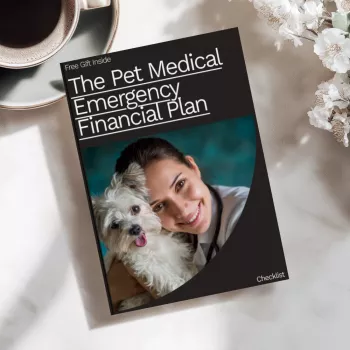
The Pet Medical Emergency Financial Plan: Essential Checklist for Building Your Pet’s Emergency Fund
A surprise illness or injury can turn into a tough financial decision fast. A simple plan—built around realistic cost targets, a dedicated fund, and a ready-to-use payment strategy—helps keep focus on care instead of scrambling for money. Use the checklist below to set a clear savings goal, automate contributions, and prepare the documents and contacts needed for urgent vet visits.
Why a dedicated emergency fund matters for pet care
Veterinary emergencies don’t wait for payday. Many clinics require same-day diagnostics, procedures, and medication deposits before treatment begins, especially at ER hospitals. Having cash available can expand treatment options and reduce delays during critical windows when time matters most.
A separate emergency fund also prevents a cascade of trade-offs: high-interest debt, draining rent or grocery money, or dipping into human medical savings. Even with pet insurance, you may still need cash upfront while you wait for reimbursement, and you’ll likely have deductibles, exclusions, or coverage limits to manage.
For fast action guidance during toxic exposures, keep the ASPCA Animal Poison Control information handy—speed can significantly affect outcomes.
Set a realistic emergency fund target (based on risk and your pet’s profile)
Start with a baseline goal, then adjust for age, breed tendencies, activity level, and any chronic conditions. Higher-risk factors that often justify a larger target include senior pets, brachycephalic breeds, large-breed dogs prone to orthopedic issues, pets with diabetes/allergies/heart disease, and animals with frequent outdoor exposure.
Also plan for aftercare costs that can sneak up after the initial crisis: follow-up visits, repeat lab work, prescription refills, wound checks, physical therapy, and special diets. If the full target feels overwhelming, aim for a 30-day starter goal first, then step up to a 90-day goal, then your full target.
| Fund goal | Best for | Common costs it may help cover |
|---|---|---|
| $300–$500 starter fund | Immediate triage and first visit cash cushion | Exam fee, basic meds, minor wound care, initial diagnostics deposit |
| $1,000–$2,000 standard fund | Most households with generally healthy pets | X-rays, bloodwork, IV fluids, limited outpatient procedures, follow-up visits |
| $3,000–$5,000+ expanded fund | Senior pets, chronic conditions, higher-risk breeds, multi-pet homes | Hospitalization days, surgery deposits, advanced imaging, extended medications and rechecks |
The essential checklist: build your pet emergency fund step by step
1) Put the money somewhere “boring” and separate
Open a dedicated place for the fund: a separate savings account, a high-yield savings account, or a labeled “pet emergency” sub-account. Separation matters because it reduces accidental spending and makes the balance easy to verify in seconds.
2) Automate contributions on payday
Automate transfers—even small ones—so saving doesn’t depend on motivation. A steady $10–$25 per paycheck adds up quickly, and you can always increase it later.
3) Pick a simple funding formula you’ll actually follow
Use one of these low-friction options:
- Fixed amount per paycheck: predictable and easy to budget.
- Percentage of income: scales up when income rises.
- Round-ups + monthly top-up: painless daily saving plus a reliable booster.
4) Funnel windfalls into the fund
Add tax refunds, cash-back rewards, rebates, gift money, or savings from canceled subscriptions. Windfalls are powerful because they grow the fund without affecting day-to-day cash flow.
5) Set a replenishment rule (so one emergency doesn’t become two)
Decide now: after any withdrawal, resume contributions until you’re back at your target. If your fund covers only part of the bill, treat the remaining balance like a short-term “rebuild project” with a temporary increased transfer.
Plan for how payment works during an emergency
Call local clinics before anything happens and ask how payments typically work: deposits, same-day payment expectations, and which methods they accept (credit cards, third-party financing, etc.). This prevents surprises when emotions are high.
Build a “rapid payment stack” so you’re not relying on a single option:
If you use pet insurance, confirm reimbursement timelines and what documents are required (often an itemized invoice and medical notes). For medication safety and handling, it’s also worth bookmarking the FDA’s Animal & Veterinary resources.
Emergency-ready documents and information to keep in one place
For additional pet owner guidance on veterinary care planning, the American Veterinary Medical Association (AVMA) pet owner resources are a solid reference.
Make the fund sustainable: monthly review and cost-control habits
Printable checklist tool to keep on hand
- The Pet Medical Emergency Financial Plan – Essential Checklist for Building Your Pet’s Emergency Fund
- Women’s Soft PU Leather Rivet Backpack Large Fashion Daypack
- Shifting Seasons: Inspiring Quotes That Spark Life-Changing Moments | eBook of Inspirational Quotes About Change | Digital Download for Personal Growth
FAQ
How much should be in a pet emergency fund?
A practical starter target is $300–$500 for immediate triage, then $1,000–$2,000 for broader coverage in many households. Consider $3,000–$5,000+ if your pet is senior, higher-risk by breed or lifestyle, has chronic conditions, or you’re budgeting for multiple pets.
Should pet insurance replace an emergency fund?
No—insurance and an emergency fund work best together. Many plans still require you to pay the clinic upfront, and reimbursement can take time; you may also face deductibles, exclusions, and non-covered items that still require cash.
What if the emergency happens before the fund is fully built?
Use your partial fund to reduce the immediate bill, then combine it with a credit option or clinic financing if needed while prioritizing critical care. Afterward, set a clear replenishment plan (temporary higher transfers) and confirm local clinic payment policies so you’re better positioned next time.















Leave a comment