Eco-Soft Pocket Cloth Diaper: Fit, Inserts & Wash Tips
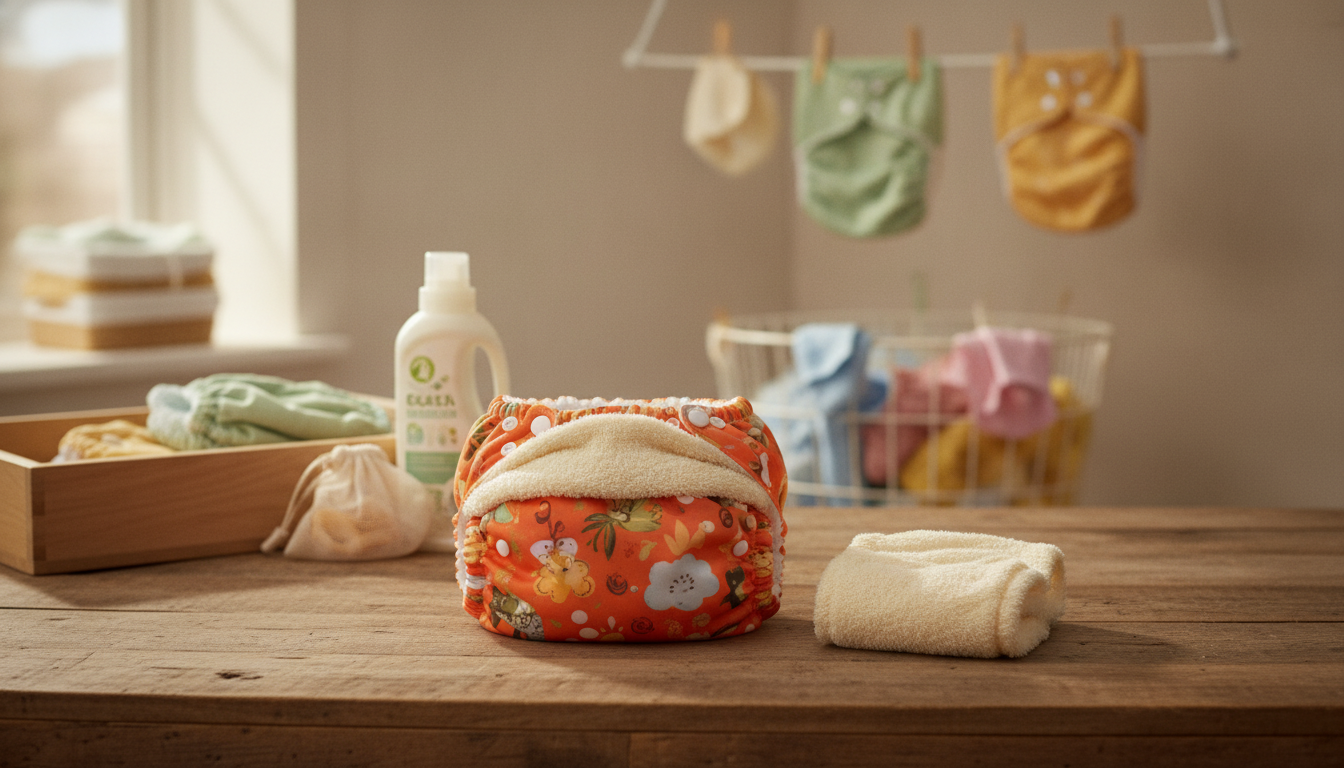
Eco-Soft Reusable Pocket Cloth Diaper: a simple, flexible way to go reusable
A pocket-style cloth diaper is designed to simplify reusable diapering: a stay-dry inner layer against baby’s skin, a waterproof outer shell to help prevent leaks, and a pocket that holds absorbent inserts. Eco-Soft Reusable Pocket Cloth Diaper focuses on a gentle feel and everyday practicality—useful for building a routine that’s comfortable for baby and manageable for caregivers.
What a pocket cloth diaper is (and how it works)
Pocket diapers combine a waterproof cover and a soft inner layer, with an opening that lets you “stuff” absorbent inserts inside. That small design detail is what makes pocket diapers so adaptable: you can customize absorbency without changing the outer shell.
- Pocket design: an opening creates a pocket where absorbent inserts are placed, keeping bulk and absorbency customizable.
- Two-part performance: a waterproof shell helps contain moisture, while the inner layer aims to feel soft and dry against skin.
- Flexible absorbency: add, remove, or swap inserts depending on naps, nighttime, or longer outings.
- Reusable routine: after use, remove the insert(s), store in a wet bag/pail, then launder and reuse.
Eco-Soft at a glance
For many families, pocket diapers are the “sweet spot” between convenience and control. They’re quick to put on once prepped, yet adjustable enough to keep up with changing schedules and wetness levels.
- Best for: caregivers who want a reusable option that’s straightforward to prep, change, and wash.
- Pocket diapers can be a practical bridge between all-in-one simplicity and the flexibility of separate inserts.
- Helpful as part of a rotation: having multiple diapers supports a consistent wash schedule and reduces last-minute laundry pressure.
- Pairs well with: extra inserts for heavier wetters, a wet bag for travel, and a diaper-safe barrier cream when needed.
Quick reference for Eco-Soft pocket diaper use
| Use case | Insert setup | Change timing | Notes |
|---|---|---|---|
| Daytime at home | 1 insert | Every 2–3 hours | Adjust based on baby’s output and comfort. |
| On-the-go errands | 1–2 inserts | Every 2–3 hours | Bring a wet bag for storage until laundry. |
| Naps | 2 inserts (if needed) | Before/after nap | Avoid over-bulking; prioritize a good leg seal. |
| Nighttime (varies) | 2 inserts or higher-absorbency combo | Overnight if tolerated | Fit and absorbency both matter; monitor for redness or leaks. |
Comfort and fit: preventing leaks without pinching
The best leak protection starts with fit. A pocket diaper should feel secure, but not tight—think “snug like underwear,” not “cinched like shapewear.”
- Leg seal basics: fabric should sit in the underwear line (bikini line), not down the thigh; ensure no gaps around legs.
- Waist fit: snug enough to help prevent wicking, but allow two fingers under the waistband for comfort.
- Rise and bulk: pocket diapers can feel bulkier than disposables; adjust clothing fit and avoid compressive outfits that can force leaks.
- Common leak culprits: insufficient absorbency, gaps at legs, inserts not fully inside the pocket, or detergent buildup affecting fabric performance.
Absorbency: choosing and placing inserts
Absorbency is where pocket diapers shine. Instead of buying a different diaper for every scenario, you can fine-tune what you already have—especially helpful when baby’s needs change month to month.
- Customization advantage: match absorbency to the moment—lighter for quick daytime changes, heavier for longer stretches.
- Placement matters: ensure inserts are fully spread and seated inside the pocket so edges don’t peek out and cause wicking.
- Layering strategy: if using two inserts, place the faster-absorbing layer closer to baby and the higher-capacity layer underneath.
- Avoid compression leaks: overly bulky inserts or tight clothing can squeeze moisture out; aim for absorbency without overstuffing.
Washing and care for a reliable routine
A dependable wash routine keeps pocket diapers feeling comfortable and performing well. The goal is simple: remove waste, wash thoroughly, and avoid residue that can cause odors or reduced absorbency.
Skin-friendly habits: reducing irritation and redness
For guidance on diaper rash basics and when to call a pediatrician, see the American Academy of Pediatrics diaper rash overview. Additional general advice is also available from the NHS nappy rash page.
Cost and waste: what reusable can change
For a broader overview of reuse as a household habit, the U.S. EPA Reduce, Reuse, Recycle guidance is a helpful starting point.
Getting started: a simple first-week plan
Helpful add-ons for day-to-day diapering
- Eco-Soft Reusable Pocket Cloth Diaper: a flexible pocket-style option for building a dependable reusable rotation.
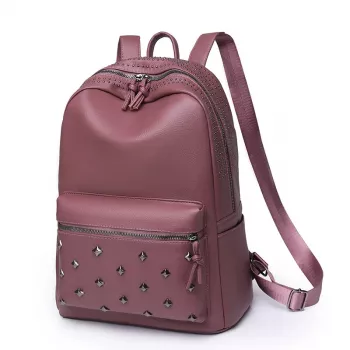
- Women’s Soft PU Leather Rivet Backpack Large Fashion Daypack: a roomy carry option that can double as an on-the-go bag for diapers, wipes, and a wet bag.
- Smart Automatic Flush Porcelain Bidet Toilet Bowl with Heated Seat: a comfort-forward bathroom upgrade that can be useful for postpartum hygiene routines and quick cleanups.
FAQ
How many pocket cloth diapers are needed for a good rotation?
If you wash every 2–3 days, many families find roughly 12–24 pocket diapers helps cover typical newborn-to-infant change frequency without rushing laundry. Daily washers can often manage with fewer, while having extra reduces pressure on busy weeks and supports consistent changes.
How often should a reusable pocket diaper be changed?
A common daytime cadence is about every 2–3 hours, adjusting for baby’s output, heat and activity, and the insert setup you’re using. Overnight is more variable and often requires a higher-absorbency combination plus a fit check to prevent leaks and irritation.
Why is my pocket diaper leaking even though it feels snug?
Start by checking absorbency (the insert may be saturated), then confirm the insert is fully inside the pocket with no edges peeking out. Next, look for compression from tight clothing or a small fit gap at the legs; if leaks persist, consider detergent buildup or fabric repelling and adjust your wash routine.














Leave a comment