Toddler Food Intolerance Checklist: Track Triggers in 14 Days
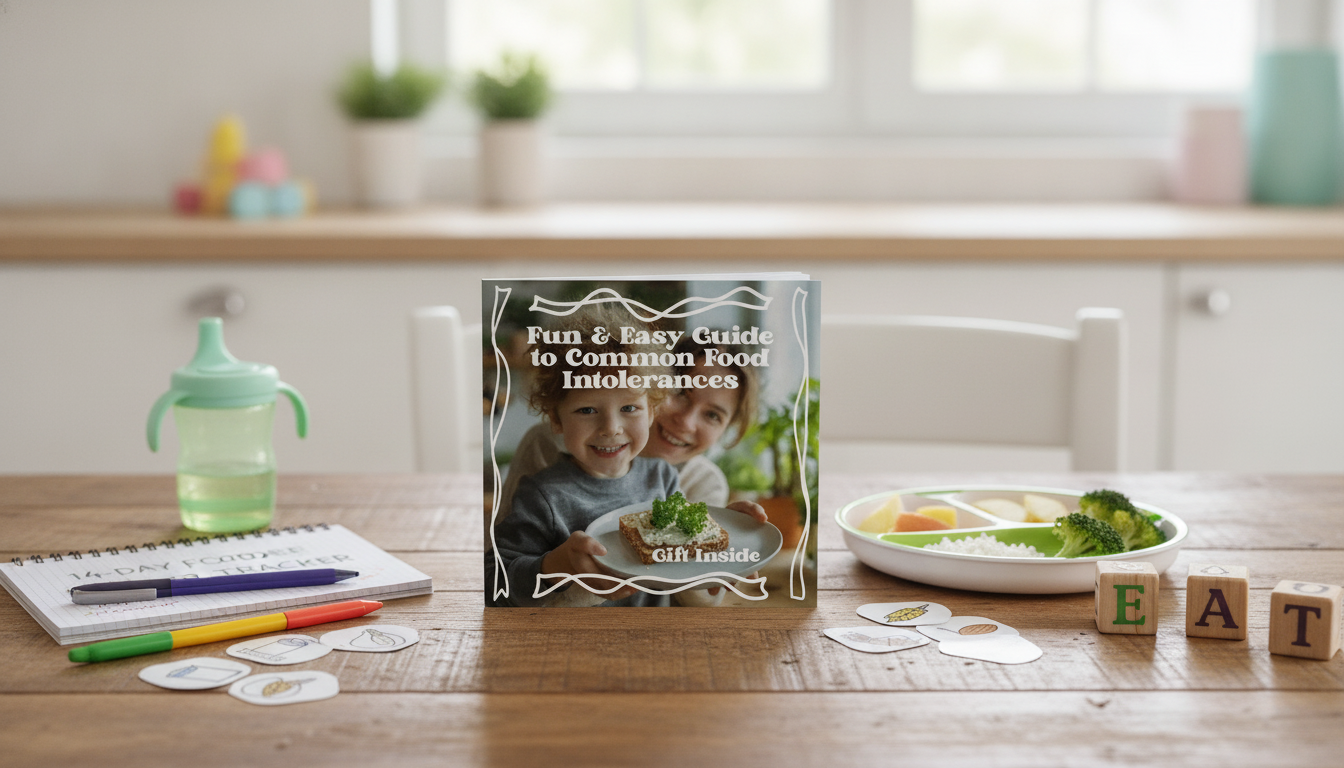
Food Intolerances in Toddlers: A Fun, Simple Checklist and Sensitivity Tracker for Parents
Toddler tummies can be unpredictable—especially when a specific food keeps showing up before gas, diarrhea, constipation, crankiness, or eczema-like flares. A simple, repeatable tracking routine helps spot patterns without guessing, cutting multiple foods at once, or missing red-flag symptoms that need medical advice. Use the sections below as a parent-friendly checklist for noticing symptoms, narrowing likely triggers, and sharing clear notes with a pediatrician or dietitian.
Food intolerance vs. allergy: why the difference matters
Before changing your toddler’s diet, it helps to understand the difference between a food intolerance and a food allergy—because the risks and next steps aren’t the same.
- Food intolerance usually involves digestion and is often dose-dependent (a small amount may be tolerated, a larger amount may trigger symptoms).
- Food allergy involves the immune system and can be unpredictable; symptoms can appear quickly and may include hives, swelling, wheeze, vomiting, or faintness.
- Lactose intolerance is a common example of an intolerance; milk allergy is different and may require strict avoidance.
- Any signs of anaphylaxis (trouble breathing, swelling of lips/tongue, widespread hives, sudden lethargy) require emergency care.
For a helpful overview of allergy symptoms and when to get help, see the American Academy of Pediatrics (HealthyChildren.org). Guidance on intolerance is also summarized by the NHS.
Common signs a toddler may not be tolerating a food
Many symptoms are nonspecific (and toddlers can’t always describe what hurts), so patterns matter more than one “bad tummy” day.
- Digestive: gas, bloating, diarrhea, loose stools, constipation, reflux, belly pain, excessive burping.
- Skin: rash around the mouth after eating, eczema-like flares, itchy patches (note: these can have many causes).
- Behavior/sleep: unusual irritability after meals, night waking, reduced appetite the next day.
- Growth and intake: persistent picky eating plus discomfort after specific foods may reduce overall nutrition.
- Timing clues: symptoms can appear within minutes to hours, or the next day—timing helps narrow suspects.
Quick symptom-to-food clue table (not a diagnosis)
| What you notice | Possible food triggers to consider | What to write down |
|---|---|---|
| Gas/bloating soon after dairy | Milk, yogurt, ice cream (lactose) | Portion size, timing, other foods eaten together |
| Loose stool after fruit juice | Apple/pear juice, high-fructose foods | Brand/amount, whether juice was diluted, other snacks |
| Constipation with lots of wheat snacks | Refined grains, low fiber/low fluid days | Daily water, fiber foods, activity level |
| Rash around mouth after tomato/citrus | Tomato sauce, oranges, strawberries (irritant contact) | Was skin wiped promptly, did rash stay localized? |
| Belly pain after beans/onions | Beans, lentils, onions, garlic (gas-producing carbs) | Preparation method, portion size, repeat exposure |
Common food intolerances and sensitivities parents track most often
- Lactose: symptoms may include gas, bloating, diarrhea; some toddlers do better with lactose-free dairy or smaller portions with meals (with clinician guidance).
- Wheat/fructans (not the same as celiac disease): may cause bloating and discomfort; track bread, pasta, crackers, and portion sizes.
- High-fructose foods: some toddlers react to large servings of juice, apples, pears, mango, or sweeteners; note total fruit + juice in a day.
- Certain additives: some families notice issues with high-sugar treats, sugar alcohols, or heavily processed snacks; log the exact product.
- Egg or soy: can be triggers for some children; repeated patterns are more informative than one-off reactions.
A simple 7–14 day sensitivity tracking routine
A short tracking window is long enough to catch repeat exposures, without turning meals into a full-time science project.
- Keep meals as “normal” as possible at first; sudden big diet changes can hide the pattern.
- Track 4 essentials: food (with portion), timing, symptoms (type + severity), and stool notes (frequency + consistency).
- Use a simple 0–3 scale for severity (0 none, 1 mild, 2 moderate, 3 severe) to spot trends quickly.
- Watch for repeated pairings: the same food followed by the same symptom on 2–3 separate occasions is a meaningful clue.
- Include non-food factors: illness, teething, antibiotics, travel, low sleep—these can mimic “food reactions.”
How to do a gentle elimination-and-retry (with safety in mind)
If your notes point to one likely trigger, a cautious elimination-and-retry can clarify the picture—without over-restricting your toddler’s diet.
Toddler-friendly swaps that keep nutrition steady
When to call the pediatrician (and what notes help most)
Printable checklist and tracker: making it easy (and kid-friendly)
If you’d like a ready-made option, see: Printable toddler food intolerance checklist and simple sensitivity tracker.
For parents who also want a quick morale boost during long weeks of trial-and-error, this digital read can pair well with a tracking routine: Shifting Seasons: Inspiring Quotes That Spark Life-Changing Moments (eBook).
FAQ
How long does it take to notice a food intolerance pattern in a toddler?
Often, 7–14 days is enough to see whether the same food is followed by the same symptom multiple times. A single reaction can be misleading, so repeated food-and-symptom pairings (2–3 occasions) are more meaningful. Call a clinician sooner if symptoms are severe, worsening, or include dehydration, blood in stool, or breathing concerns.
Should gluten or dairy be removed right away if a toddler has tummy issues?
It’s usually better not to remove multiple major foods at once because it can blur the pattern and create nutrition gaps. If gluten seems involved, ask about celiac testing before long-term gluten removal. Start with consistent tracking and follow pediatric guidance for any elimination plan.
What’s the easiest way to track food reactions without obsessing over every bite?
Track only the essentials: the food and portion, the time eaten, symptoms (with a simple 0–3 severity rating), and stool notes. Keep routines steady and add notes for non-food factors like illness or low sleep. A printable checklist can keep the process quick and consistent day to day.
















Leave a comment