Eat Like a Local: Spot Authentic Food, Skip Tourist Traps
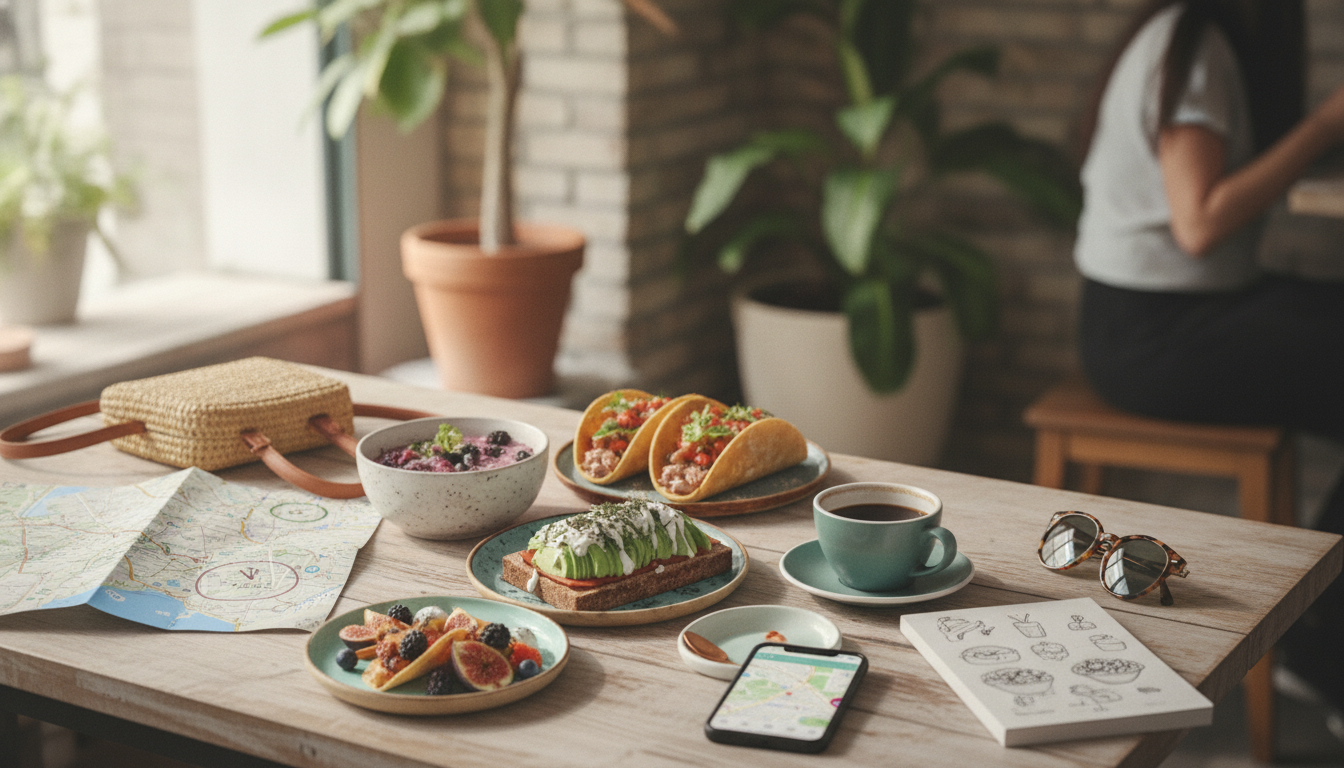
Culinary Secrets: Eat Where Locals Do
Authentic meals rarely sit under neon “Best in Town” signs. They’re found through small signals: who’s eating there, what time the kitchen is busiest, how the menu is written, and whether the restaurant is built for regulars rather than visitors. Use the steps below to spot real neighborhood favorites—before spending money on a forgettable tourist meal.
Start with the local rhythm, not the landmark map
When food is aimed at residents, it follows resident routines. Start your search where people live and commute, then let the crowd confirm the choice.
- Search by neighborhoods, not monuments. Residential streets, markets, transit hubs, and school zones tend to support everyday dining. If the blocks are mostly souvenir shops and tour ticket booths, the food will usually follow.
- Show up at local meal times. A business district may peak at 11:30 a.m. sharp; a late-dinner culture may not start filling seats until 9 p.m. Weekend brunch tells the truth fast—locals don’t wait in line repeatedly for a place that’s just “fine.”
- Use the two-turn rule. Walk two blocks away from the biggest attraction, reassess the menus and crowds, then repeat once more if needed. When you see fewer English-only “combo deals” and more concise menus, you’re getting warmer.
- Track where workers eat. Uniforms, office lanyards, delivery riders, and families with kids usually point to repeat business. Regulars optimize for taste, value, and consistency—not photo ops.
Quick checks that reveal whether a place is built for regulars
Before you sit down, scan for operational clues. Neighborhood favorites often look “unremarkable” until the food hits the table.
- Menu design: fewer photos, more specificity. Look for named cuts, regional references, seasonal items, and one or two clear specialties. A 12-page “everything” menu often signals compromise.
- Service pattern: practiced routines are a good sign. Staff who move quickly and confidently usually serve a steady crowd. Pushy upselling, “tourist set” pitches, or a scripted spiel can mean the business depends on one-time visitors.
- Language cues: a menu that assumes local knowledge (or uses a simple translation sheet) often means locals come first. Overly flashy “international” rewrites can be a sign of catering to outsiders.
- Payment and pricing: consistent pricing is the green flag. Odd surcharges, “English menu costs more,” or surprise fees are red flags worth walking away from.
Use digital tools the way locals do
Locals rarely rely on global “top 10” lists. They use tools that reflect daily life, not vacation hype.
- Choose the local platforms. In many destinations, local map apps, neighborhood Facebook groups, and community forums provide more grounded recommendations than generic travel lists.
- Sort reviews by newest. Ignore the star average at first and look for patterns: weekday lunch comments, portion size notes, mentions of consistency, and even staff names—signs people return.
- Filter out hype signals. Watch for influencer-heavy posts with no dish details, repetitive wording across reviews, and sudden spikes in ratings within a short window.
- Check dish-level evidence. If photos of the same dish appear across months from different people—and it looks reliably similar—that’s consistency you can bet dinner on.
Signals that separate local favorites from tourist traps
| What to check | Local-favorite signals | Tourist-trap signals |
|---|---|---|
| Crowd | Mixed ages, workers nearby, repeat customers greeted by staff | Large tour groups, mostly visitors with cameras, constant table turnover with no regulars |
| Menu | Focused specialties, seasonal items, regional detail | Oversized menu covering many cuisines, heavy photo reliance, vague “traditional” claims |
| Location | Side streets, near apartments, markets, schools, transit stops | Directly adjacent to major attractions, souvenir shops, and tour-bus zones |
| Reviews | Recent, specific, mentions of consistency and staples | Generic superlatives, influencer-heavy, sudden review bursts |
| Pricing | Reasonable for the area; locals still line up | Marked-up “experience” pricing with add-ons and service charges |
Ask better questions: how to get recommendations that work
The fastest route to great food is a better question—one that’s hard to answer with a rehearsed, tourist-friendly pick.
Street food, markets, and small counters: safety and quality without fear
For practical, traveler-friendly food safety guidance, consult the CDC’s food and water safety advice and the WHO Five Keys to Safer Food.
Ordering like a regular (even with limited language)
When a place is popular for the wrong reasons
A simple 24-hour plan for finding two great meals anywhere
Supporting neighborhood dining also supports neighborhood life—an approach aligned with broader sustainable tourism principles that keep local communities thriving.
Helpful picks for travel days (in stock)
- Culinary Secrets: Eat Where Locals Do – Ultimate Guide on How to Find Authentic Food Spots Not Touristy
- Women’s Soft PU Leather Rivet Backpack Large Fashion Daypack
FAQ
How can a great restaurant have low ratings online?
In many places, service is efficient rather than chatty, and visitors sometimes rate “friendliness” instead of food. Language barriers can also create misunderstandings, so prioritize recent reviews that describe specific dishes and repeat visits over the star average.
What’s the fastest way to avoid tourist traps near major attractions?
Use the two-turn rule: walk two blocks away, then reassess and repeat until the menus and crowds change. Eat at local hours and favor focused menus with a clearly local crowd.
Is street food safe for travelers?
It can be, especially when there’s high turnover and food is cooked to order and served hot. Choose stalls with clean handling, avoid lukewarm food sitting out, and use basic precautions like hand hygiene.














Leave a comment